
Safety Certificate Cost in Ontario
By Oleksandr Potapenko · 2026-11-16 · How we research prices
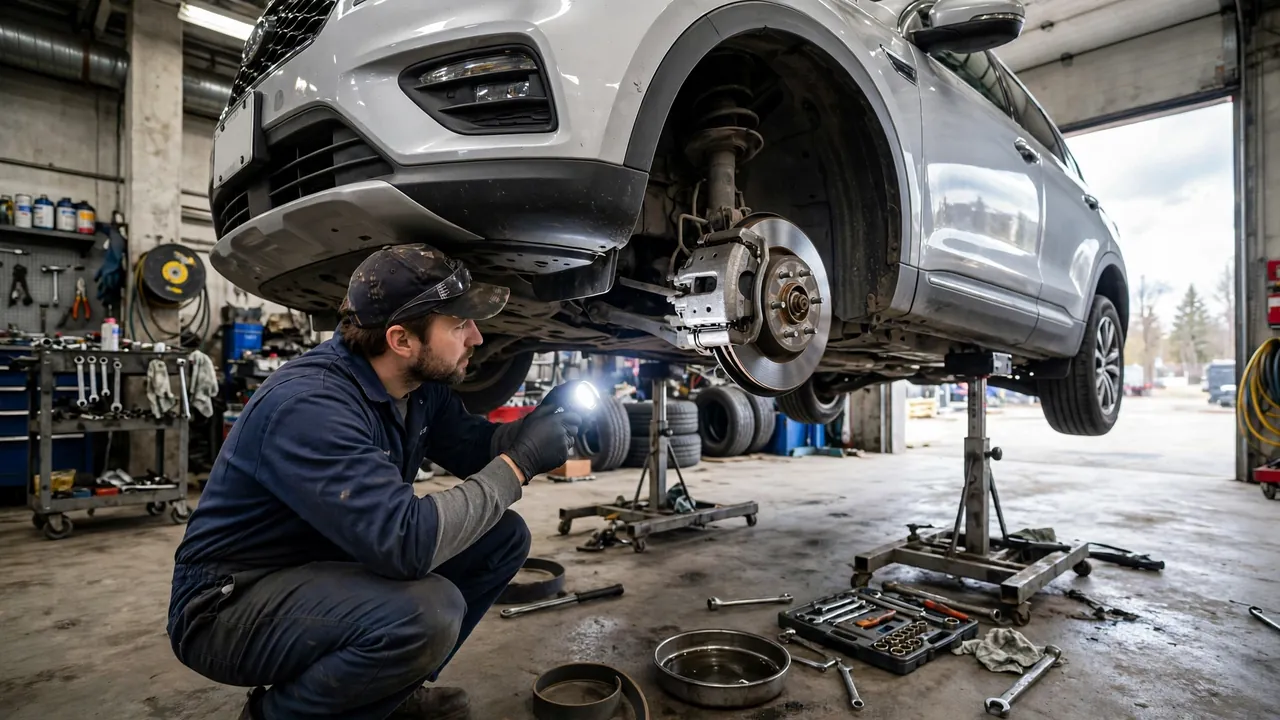
You have 36 days. That is the number that matters most about an Ontario Safety Standards Certificate, because everything else about it — the price, the inspection, the repairs — is negotiable or fixable, and the 36-day clock is not. From the day the car passes, you have 36 calendar days to register it or transfer ownership. Miss the window and the certificate expires, there is no grace period and no extension, and you pay for a whole new inspection. Every other decision in this guide is about making those 36 days count.
The first thing to know is that the Ontario government does not set the price. The Ministry of Transportation licenses the inspection stations and runs the DriveON portal where every certificate has been recorded digitally since 2024, but each licensed facility sets its own inspection fee. That is why the ranges you see online disagree with each other, and why all of them are honest at the same time: vehicle-safety-inspection.ca puts the typical cost at $80 to $180 CAD, with many shops around $100 to $150; Surex reports $60 to $150; Greenway Auto Recycling reports $100 to $150; and DOW Auto Services in Scarborough publishes its own price plainly — $99 for a standard Safety Standards Certificate and $79.99 for an Uber or Lyft certificate. The spread is the market working: a Scarborough shop at $99 and a downtown Toronto shop at $180 are selling the same inspection at different rents. Phone two or three MTO-licensed stations before you book, and ask whether the quoted price includes the certificate, the HST, and any re-inspection fee, because those three extras are where a $99 inspection becomes a $160 bill.
The inspection itself covers eleven defined systems: powertrain mounts, suspension, the brake system, steering, auxiliary equipment such as the horn, mirrors, and wipers, lamps, the electrical system, body condition, tires and wheels, coupling devices for vehicles that tow, and a road test. It takes about 60 to 90 minutes for a straightforward pass. It is a point-in-time inspection, which means it certifies that the car met Ontario's minimum mechanical safety standards on the day it was tested — it is not a warranty, not a pre-purchase inspection, and not a promise that nothing will break next month. That distinction matters most when you are buying: the seller's safety certificate tells you the car was safe on the day of the test, and a pre-purchase inspection from a shop you choose tells you what will need money in the next year. Buyers who skip the second one are the ones who discover the rusted brake lines a month after the sale.
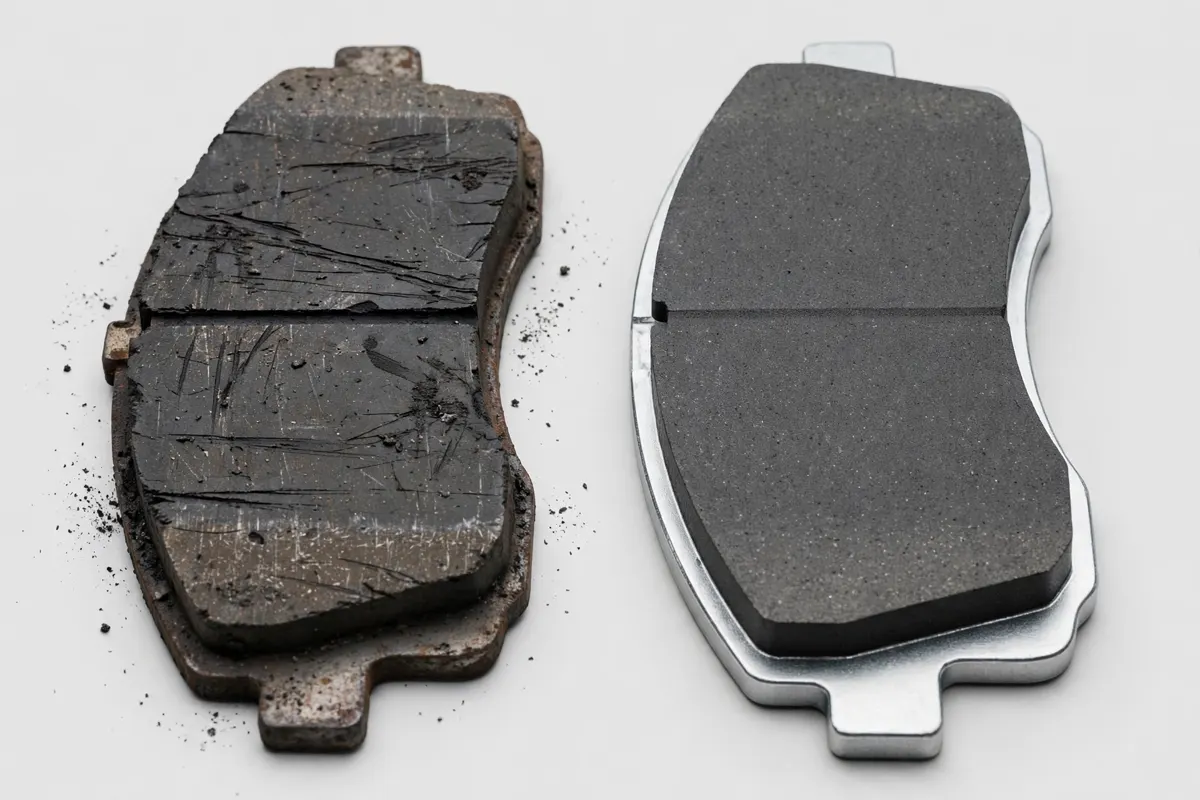
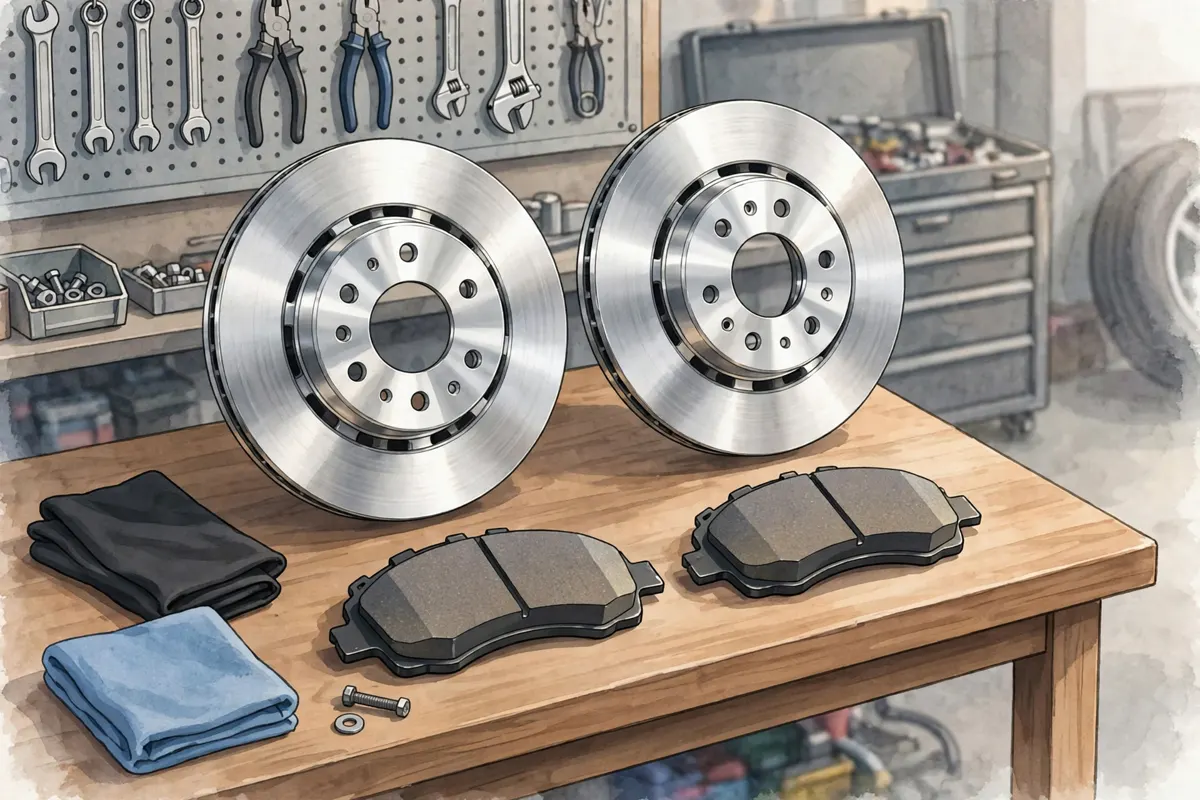
What fails cars in Ontario is, above all, rust. Ontario winters and road salt eat brake lines, fuel lines, and subframes, and a set of brake lines typically runs $270 to $460 CAD — the Ontario special, as every inspector in the province will tell you. After rust come the usual suspects everywhere: brake pads and rotors at $320 to $595 CAD per axle, tires below the legal tread depth at $595 to $1,230 for a set of four installed, a burnt-out bulb, a cracked windshield in the driver's line of sight. A couple of burnt-out bulbs might be a $30 fix; a car needing brake work, a tie rod, and a wheel bearing can run several hundred dollars. If the car fails, you pay for the repairs and then for a re-inspection, which some shops include in the original fee and others charge at up to $50 — ask before you book, not after you fail.
You do not need a safety certificate every year in Ontario, and that is the second most common misunderstanding after the price. A certificate is required when a vehicle changes ownership, when it is registered in Ontario for the first time, when it returns to the road after being unfit or salvage, and for rideshare vehicles such as Uber and Lyft. It is not required to renew a licence plate sticker. If you are selling, the certificate is your cost and your responsibility, and a fresh certificate with 36 days on it is a selling point worth more than the $99 to $180 it cost. If you are buying privately, never accept a certificate that is already three weeks old — you inherit the remaining days, not a fresh 36 — and never let the seller choose the shop. The shop works for whoever pays it, and a pre-purchase inspection at the same $140 to $195 price from a shop you choose is the best money in the whole transaction. For the rest of the country, read Out-of-Province Inspection Cost in Canada, and run the repair numbers through the RepairPrice calculator (calculator.php) before you agree to the work a failed inspection uncovers.
Common questions:
Q: How much does a safety certificate cost in Ontario? A: The price is not regulated by the Ontario government, so each licensed station sets its own fee. Most drivers pay $80 to $180 CAD for a passenger vehicle; DOW Auto Services in Scarborough charges $99 for a standard certificate and $79.99 for an Uber or Lyft certificate. Larger vehicles cost more.
Q: How long is an Ontario safety certificate valid? A: Thirty-six days from the date of inspection. If the vehicle is not registered within that window, the certificate expires and a new inspection is required, with no grace period or extension.
Q: Do I need a safety inspection every year in Ontario? A: No. A Safety Standards Certificate is required only when a vehicle changes ownership, is registered in Ontario for the first time, returns to the road, or is used for rideshare. It is not required to renew a licence plate sticker.
Q: What happens if my car fails the safety inspection? A: You pay for the necessary repairs and then for a re-inspection, which some shops include in the original fee and others charge at up to $50. The re-inspection covers the failed items, and the 36-day clock only starts once the car passes.
| Item | Typical range (CAD) | Notes |
|---|---|---|
| Safety inspection, car | $80–$180 | Not price-regulated; DOW Scarborough $99 |
| Inspection labour (1–1.5 hours) | $95–$195 | Labour only, no parts, at $95–$130/hour |
| Pre-purchase inspection, car | $140–$195 | From a shop you choose, before you pay |
| Brake pads + rotors (per axle), car | $320–$595 | The most common failure |
| Brake lines (set), car | $270–$460 | Rust is the Ontario special |
| New tires, set of 4 (installed), car | $595–$1,230 | Tread below the legal depth fails |


 RepairPrice
