
Out-of-Province Inspection Cost in Canada
By Oleksandr Potapenko · 2026-11-16 · How we research prices
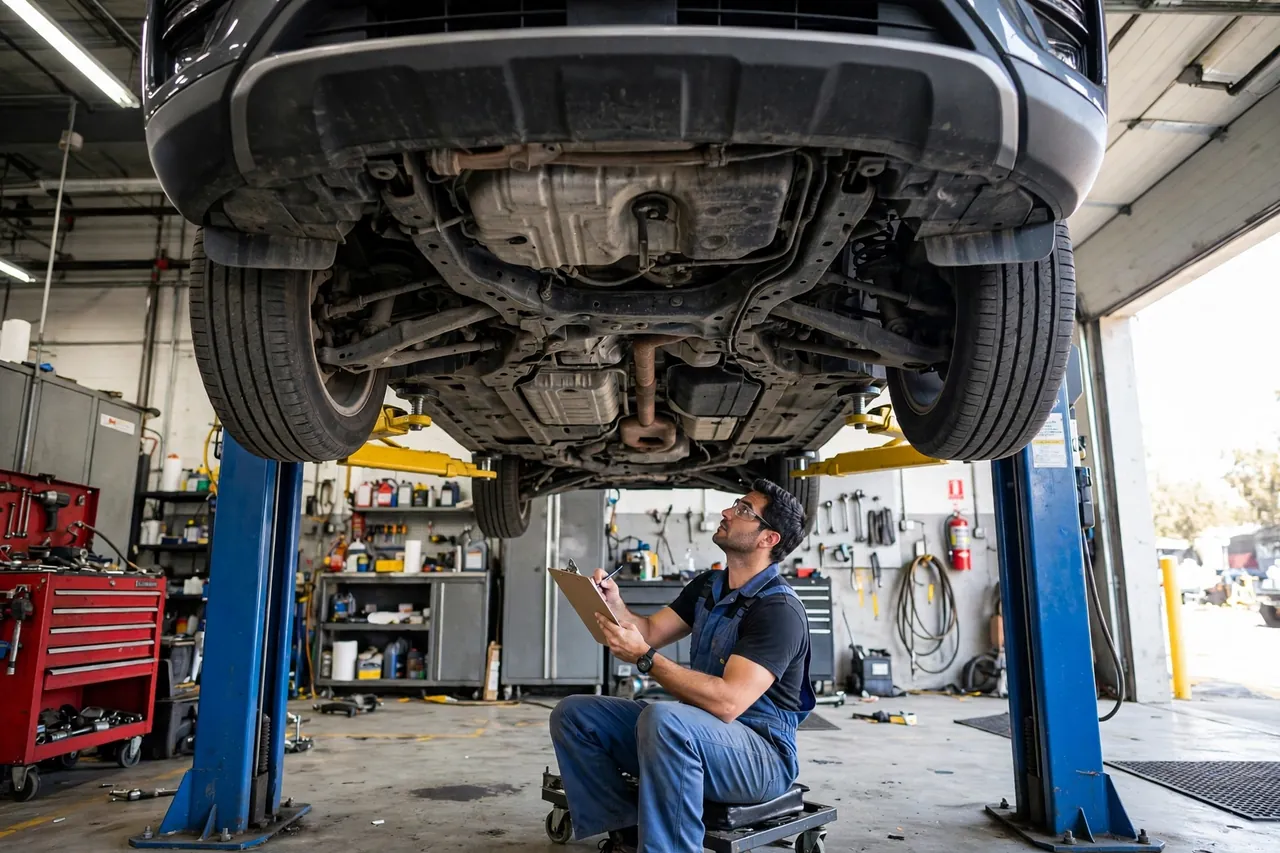
There is no such thing as a Canadian vehicle inspection. There are thirteen sets of rules, thirteen fee structures, and thirteen different answers to the question of what an inspection costs — and the province you are moving to matters more than the car you are moving. A car that has never needed an inspection in Alberta can need one the day it crosses into British Columbia, and a car that passes in Ontario can fail in Nova Scotia on a tire Ontario never looked at. This guide is the map of those differences, with the prices each province actually charges.
The first distinction is between provinces that inspect periodically and provinces that inspect only when something changes. Alberta and Saskatchewan have no periodic inspection at all: a car registered in the province, with a clean title, may never be inspected. Prince Edward Island is the only province with a mandatory annual inspection. Nova Scotia inspects every two years once a vehicle is three years old, and New Brunswick runs a biennial program too. Ontario, Quebec, British Columbia, and Manitoba inspect at the point of sale or transfer, or when a vehicle comes in from outside the province. That single fact decides most of the cost: in Alberta you pay only when you move a car in, while in Nova Scotia you pay every two years whether you move or not.
The prices follow the rules, and they spread widely. In British Columbia, ICBC requires an inspection only for vehicles moving into BC registration, done at a CVSE-designated inspection facility; AutoStar Group puts the typical fee at $130 to $200 at independent shops, while a Canada-wide jurisdictional scan compiled from the Government of Prince Edward Island's 2024 survey puts BC at $180 to $240 — the honest gap between those two is the gap between a small-town shop and a Lower Mainland dealer, and both are real. In Alberta, the out-of-province inspection runs $150 to $200 at most shops — Northway Auto in Red Deer and Rite-Price Auto in Calgary both quote that range — with DAS Automotive in Edmonton listing cars from $199 and trucks from $250, plus $25 to $40 for a separate VIN verification, and the certificate is valid for only 14 days. In Ontario, the Safety Standards Certificate is not price-regulated at all: the Ministry of Transportation licenses the stations and each shop sets its own fee, with most drivers reporting $80 to $180, Surex reporting $60 to $150, and DOW Auto Services in Scarborough listing $99 for a standard certificate and $79.99 for an Uber or Lyft certificate. Manitoba runs $80 to $130 according to Ridez, Saskatchewan $129 to $250 according to the PEI jurisdictional scan, and Nova Scotia $29.15 — the lowest in the country, set by the province, for a biennial inspection that has been running for decades.
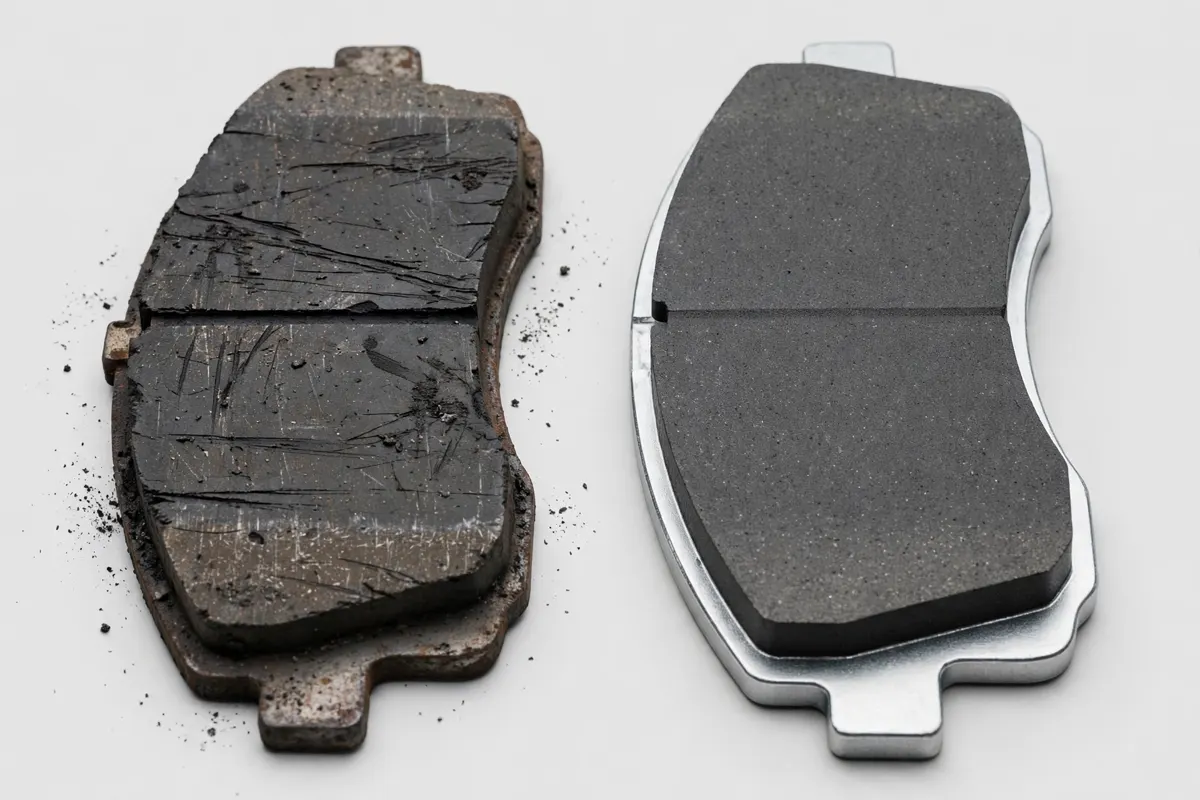
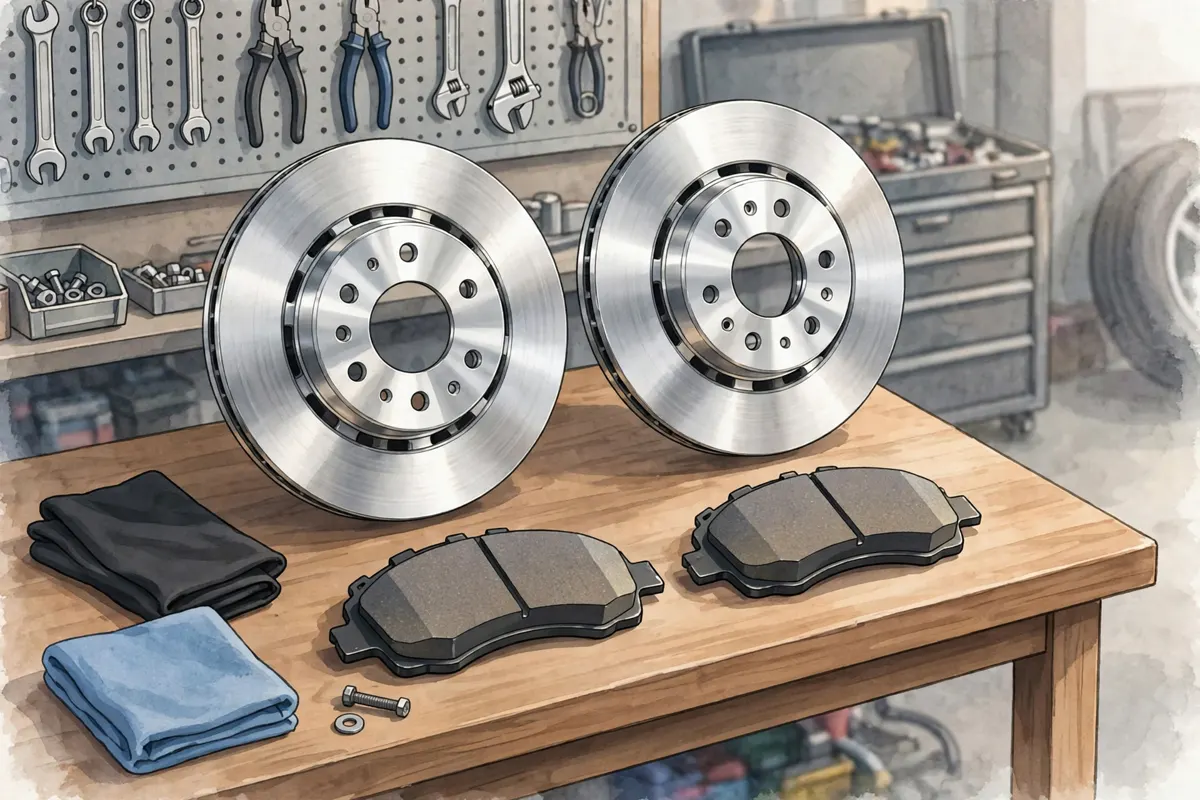
Two things catch movers by surprise, and neither is the inspection fee itself. The first is the exemption: under the New West Partnership, a vehicle less than four years old previously registered in British Columbia, Saskatchewan, or Manitoba can skip the out-of-province inspection in Alberta, and similar recognition exists between those provinces — check before you pay. The second is what the inspection finds. The most common failures are the same in every province: brake pads below the minimum, tires below the legal tread depth, a burnt-out bulb, a cracked windshield, an exhaust leak, a rusted brake line. A set of four new tires installed typically runs $595 to $1,230 CAD, brake pads $175 to $375 per axle, and brake pads with rotors $320 to $595 — any one of those dwarfs the inspection fee, which is why the inspection is cheap and the failure is expensive. In British Columbia there is a further trap for private out-of-province purchases: ICBC charges 12 percent provincial sales tax on the greater of your purchase price or the Canadian Black Book average wholesale value, with higher tiered rates for luxury vehicles, so the tax bill can exceed the inspection and the repairs combined.
The decision rule depends on which side of the move you are on. If you are moving to a new province, get the inspection form from the destination registry first, phone two or three licensed facilities for the total price including VIN verification and re-inspection, and book the inspection only when you are ready to register — Alberta's 14-day certificate and Ontario's 36-day certificate both expire, and an expired certificate means paying twice. If you are buying a used car from another province, spend the inspection money before you pay the seller: a pre-purchase inspection at the same $140 to $195 price, done by a shop you choose in the seller's city, turns the out-of-province inspection from a surprise into a negotiation tool, and it is the same money either way. If the car fails, remember the re-inspection rules: most shops re-test only the failed items for a smaller fee, but only inside a set window, and past that window the whole inspection starts over. For the province-specific deep dives, read Alberta Safety Inspection Cost and Safety Certificate Cost in Ontario, and run the repair numbers through the RepairPrice calculator (calculator.php) before you agree to any of the work an inspection uncovers. One more fact worth knowing: neither of Canada's old passenger-vehicle emissions programs survives — BC's AirCare ended in 2014 and Ontario's Drive Clean for passenger vehicles ended in 2019 — so no province will make you pass a tailpipe test. The safety inspection is the only gate, and it is the brakes, the tires, and the rust that decide whether you pass it.
Common questions:
Q: How much does an out-of-province inspection cost in Canada? A: It depends on the destination province. Expect roughly $120 to $240 in BC, $150 to $200 in Alberta, $80 to $180 in Ontario, $80 to $130 in Manitoba, $129 to $250 in Saskatchewan, and $29.15 in Nova Scotia. Repairs to pass are always extra.
Q: Do I need an inspection if I move from Alberta to BC? A: Yes. BC requires an inspection for most vehicles entering BC registration, done at a CVSE-designated facility. The New West Partnership exemption for vehicles under four years old applies between BC, Alberta, Saskatchewan, and Manitoba in some directions — confirm at a registry before booking.
Q: How long is an out-of-province inspection valid? A: Alberta's certificate is valid for 14 days; Ontario's Safety Standards Certificate is valid for 36 days. Register before it expires or the inspection must be redone.
Q: What fails cars most often in an out-of-province inspection? A: Brakes, tires, lights, and rust. Brake pads below the minimum, tires below the legal tread depth, a burnt-out headlight bulb, and rusted brake lines are the four failures inspectors see most, and any of them costs far more to fix than the inspection itself.
| Item | Typical range (CAD) | Notes |
|---|---|---|
| British Columbia out-of-province | $120–$240 | AutoStar $130–$200; PEI scan $180–$240; CVSE facility only |
| Alberta out-of-province | $150–$200 | Certificate valid 14 days; VIN check $25–$40 extra |
| Ontario Safety Standards Certificate | $80–$180 | Not price-regulated; valid 36 days |
| Manitoba / Saskatchewan | $80–$250 | Manitoba $80–$130; Saskatchewan $129–$250 |
| Nova Scotia, biennial | $29.15 | Province-set fee; every 2 years |
| Pre-purchase inspection, car | $140–$195 | Same money, spent before you buy |
| Brake pads (per axle), car | $175–$375 | The most common inspection failure |


 RepairPrice
