
Metal Roof Installation Cost in Canada
By Oleksandr Potapenko · 2026-11-16 · How we research prices
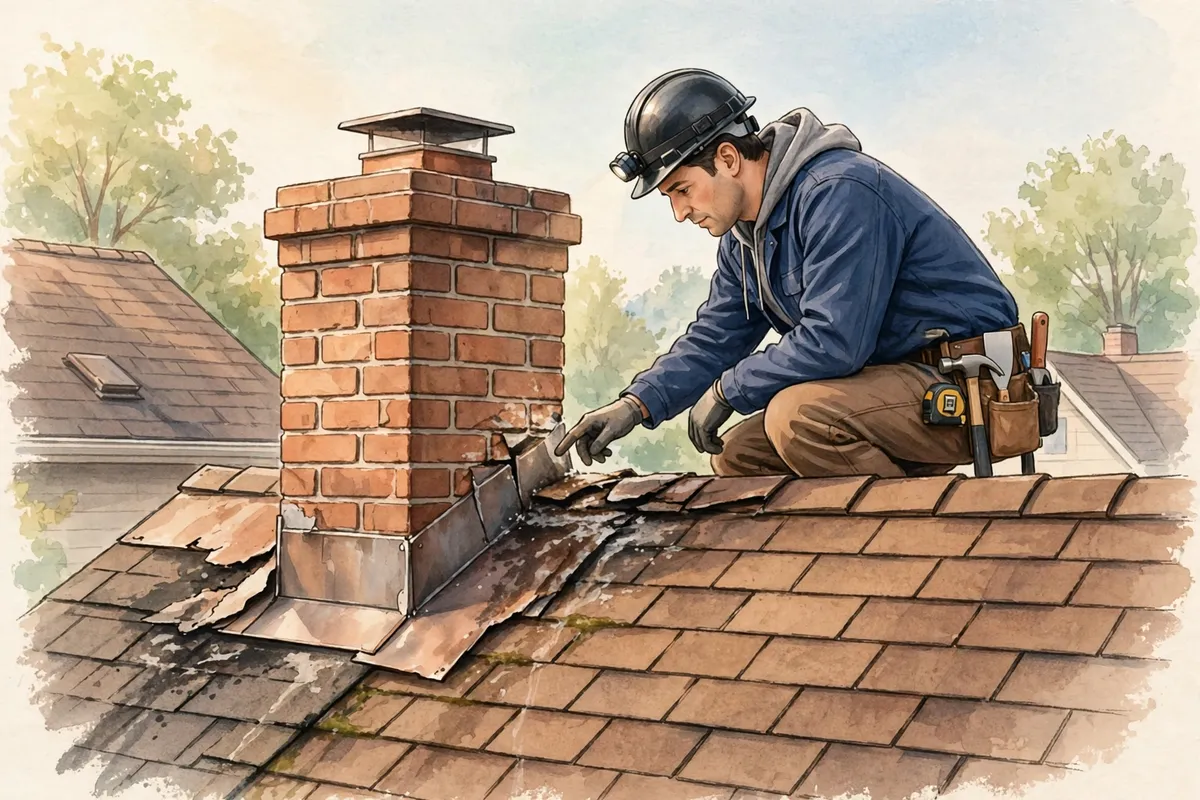
A metal roof is the most expensive sentence you will ever say about your house, and possibly the last one. The question is not whether metal costs more than asphalt. It does, by a lot. The question is whether you will still own the house when the second asphalt roof would have come due, because that is the only math in which metal wins. HomeGuide, in its November 2025 metal roof cost guide, prices installed metal at $5 to $16 per square foot: corrugated or exposed-fastener steel at $5 to $12, and standing seam steel at $9 to $16. Forbes Home, in its 2025 roofing figures, puts standing-seam metal higher, at $12 to $25 per square foot installed. The two disagree because they measure different things: HomeGuide's band leans on basic steel panels, while Forbes Home's reflects premium standing-seam systems with concealed fasteners and heavier gauges. In Canada, Green Building Canada's 2026 comparison lands between them and above both at the top end: $10 to $20 or more per square foot installed, with standing-seam steel at $18 to $25 and aluminum standing seam at $22 to $30, for a typical home total of $36,000 to $60,000. A Toronto installer, Buildoreno, quotes 2026 GTA prices from $6.50 per square foot for exposed-fastener steel, $12 for snap-on standing seam and $16 for traditional site-formed standing seam, with most GTA projects at $15,000 to $40,000. Convert HomeGuide's US figures at roughly 1.40 and they become about $7 to $22 per square foot in Canadian dollars, which brackets the Canadian guides nicely. There is no single Canadian national price series for metal roofing, so treat every number here as an estimate cross-checked between named US and Canadian sources, and get a written quote for your roof.
The honest way to compare metal and asphalt is cost per year of service, not cost on installation day. A $15,000 standing-seam roof that lasts 50 years costs $300 a year. A $9,000 asphalt roof that lasts 19 years in Canadian conditions costs about $474 a year, and then you buy it again. RonOvations, an Ontario roofing guide, runs exactly this calculation and reaches the same conclusion: metal's break-even point against asphalt lands around year 21 to 25. Homeowner.ca, in a June 2026 Canada-specific comparison, puts it the same way: asphalt wins on upfront cost and metal wins on lifespan, so the real question is how long you plan to stay. If you will move within 10 years, metal is a gift to the next owner, not to you. If this is your forever house, or a cottage you intend to keep for decades, metal is the cheapest roof you will ever buy, measured the only way that matters.
Panel type is where the money goes. Exposed-fastener corrugated panels are the entry point: steel sheets screwed straight through the metal, with rubber-gasketed screws that must be checked and retightened as they age. They are fast to install and cheap, but every screw is a future leak point, and in Canadian freeze-thaw the gaskets are the first thing to fail. Standing seam is the premium system: long panels with raised vertical seams, joined by concealed clips that let the metal expand and contract with temperature. No exposed holes, no gasket maintenance, and the best sealing of any residential roof. It costs $3 to $4 more per square foot than exposed-fastener work, according to industry pricing, and it needs a crew that does metal every week, not a shingle crew trying metal for the first time. Metal shingles and stone-coated steel sit between the two in price and look like shingles, slate or shake from the street, which matters in neighbourhoods where a standing-seam roof would look out of place. Aluminium costs more than steel but never rusts, which is why it dominates coastal British Columbia and the Maritimes. Copper and zinc are the luxury tier, 80 to 100 years of life at a price few homeowners will ever justify on a standard house.
There is a 2025 twist that belongs in any honest 2026 price guide. Steel and aluminum tariffs doubled to 50 percent in mid-2025, and by early 2026 metal roofing costs had risen roughly 60 percent compared with just months earlier, according to trade-press reporting cited by LegalClarity. That is why a quote from 2024 is useless in 2026, and why the Canadian guides now sit well above the older US bands. It is also why you should ask a roofer to lock material pricing in writing, with an expiry date, rather than accepting a quote that says prices are subject to change. Labour is the other half of the bill: HomeGuide and NerdWallet both put labour at 50 to 60 percent of a standing-seam job, and skilled metal labour has risen an estimated 25 to 35 percent since early 2025 on workforce shortages. A cheap metal quote usually means a crew learning on your roof.
Snow is metal's superpower and its hazard. Snow slides off a metal roof instead of sitting and melting into ice dams, which is why metal is the default in snow country and why our companion guide Ice Dam Removal and Prevention Cost in Canada lists metal as a preventive measure. But sliding snow is a 200-pound sheet arriving at your walkway, your car or your head. Snow guards, also called snow rails, are not optional decoration: budget $500 to $2,000 for guards over entrances, driveways and walkways, and insist they are in the quote before you sign, not discovered afterwards. Metal is also loud in the rain if installed over open framing without solid decking and underlayment, it can dent cosmetically in a bad hailstorm even when it does not leak, and it expands and contracts enough that a poorly detailed installation will oil-can, ripple visibly in sunlight. None of these are reasons not to buy metal. All of them are reasons to buy it from a specialist.
Here is the decision rule. Choose metal if you will own the home for 25 years or more, if your roof is steep enough to shed snow, if you live in hail country or a high-wind zone, or if you want to reroof once and never think about it again. Choose asphalt if you will move within 15 years, if the budget is fixed, or if the roof is low-slope, where standing seam needs a minimum slope of 1/4:12 and lapped panels need 3:12 without sealant. Before you sign, ask for the gauge and coating in writing: 26-gauge steel with a PVDF paint finish is the standard worth paying for, and the paint warranty, typically 20 to 40 years for film adhesion, is separate from the steel corrosion warranty, typically around 25 years. Ask whether the quote includes tear-off, underlayment, snow guards and disposal, and whether the crew is the company's own metal crew. Then compare the total against an asphalt quote using the RepairPrice home calculator at home-calculator.php, and divide each total by its expected life. The cheaper roof on paper is rarely the cheaper roof over 30 years.
Common questions:
How long does a metal roof last in Canada? HomeStars puts metal at 40 to 70 years, and Green Building Canada gives standing seam 50 to 70 years. The paint finish will fade before the steel fails, and exposed-fastener panels need gasket checks, but the roof itself commonly outlives two or three asphalt roofs.
Is a metal roof worth the extra cost? It depends entirely on how long you will own the home. Homeowner.ca's 2026 comparison and RonOvations both put the break-even point around year 21 to 25: stay shorter and asphalt is cheaper, stay longer and metal wins on cost per year, before counting the avoided second tear-off.
Does a metal roof attract lightning? No. Metal roofs do not attract lightning any more than asphalt or wood, and because metal is non-combustible, a strike is actually safer on a metal roof than on a wood roof. This is confirmed by multiple Canadian roofing guides, including RonOvations.
Is a metal roof noisy in the rain? It can be if installed over open framing, but on a normal Canadian home with solid decking, underlayment and attic insulation, rain noise is barely different from asphalt. If noise worries you, ask the roofer to specify solid decking and a quality underlayment in the quote.
| Option | Typical range (CAD) | Notes |
|---|---|---|
| Exposed-fastener corrugated steel, per sq ft | $7–$13 | Cheapest metal; gaskets need checks (HomeGuide, converted) |
| Standing-seam steel, per sq ft | $13–$22 | Concealed fasteners; best sealing (Forbes Home / Green Building Canada) |
| Aluminum standing seam, per sq ft | $22–$30 | Rust-proof; coastal choice (Green Building Canada) |
| Typical home, total | $15,000–$40,000 | Size, pitch, tear-off; GTA band (Buildoreno) |
| Snow guards (add-on) | $500–$2,000 | Over walkways, entrances, driveways |
| Tear-off of old roof, per sq ft | $1–$3 | Per layer; disposal extra (HomeGuide) |
 RepairPrice
