
Dealership vs Independent Mechanic in the USA: Which Costs Less?
By Oleksandr Potapenko · 2026-11-16 · How we research prices
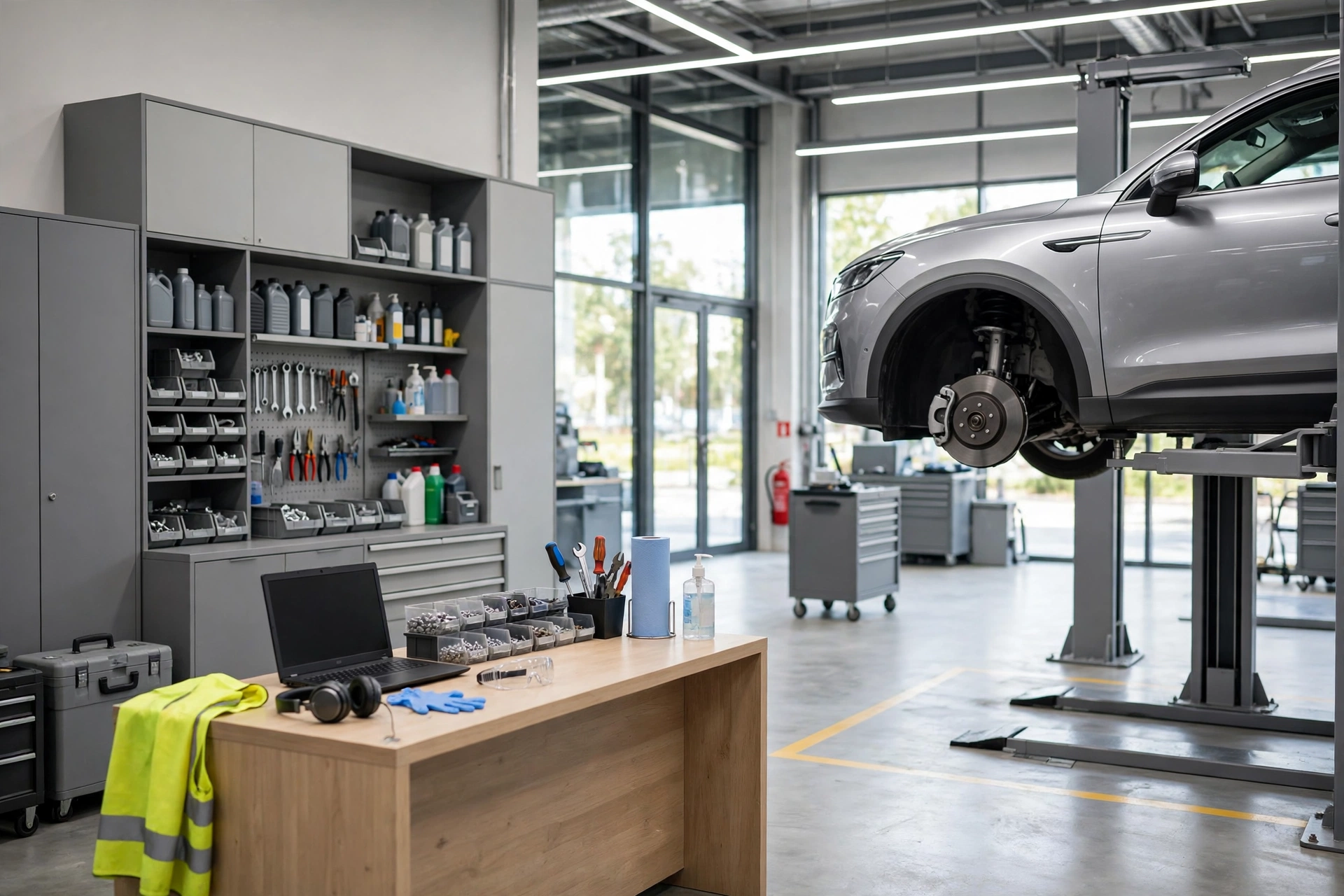
The independent shop wins on price, and the size of the win is now measured rather than guessed. A study conducted for Synchrony by Stephens and Associates in the first quarter of 2026 compared the average cost of 32 repairs common to four benchmark vehicles, a Toyota Camry, a Toyota RAV4, a Ford F-150, and a Lexus RX 350h. The finding: the same repair costs a median of 53 percent more at a dealership than at an independent shop, an average of about $232 more per repair. On 133 of 137 repairs, an independent shop in the priciest market, Washington, D.C., was still cheaper than a dealership in the cheapest one, West Virginia. That is the headline number for this guide, and the rest of it is about the cases where the headline does not apply.
The labour rate is the first half of the gap. Tekmetric's June 2026 index of more than 10,000 shops puts the national average independent rate at $132 an hour, and ARI's October 2026 study of 2,411 shops puts the median at $120. AAA says franchise stores generally cost more than independents, often by 25 percent or more, which turns $132 into about $165. NADA's 2025 annual financial profile of franchised new-car dealerships reports an average customer mechanical labour rate of $186 an hour. Wicked File puts the dealer premium at $20 to $40 an hour above a nearby independent. The honest band is $120 to $159 an hour for independents and $165 to $200 for dealers in most markets, $200 or more in expensive cities. The second half of the gap is parts. Dealers use factory parts only, while independents can use factory or quality aftermarket parts, and aftermarket parts typically cost 20 to 40 percent less than the equivalent factory part, according to EngineerFix. Both differences point the same way, which is why the total gap is larger than either one alone.
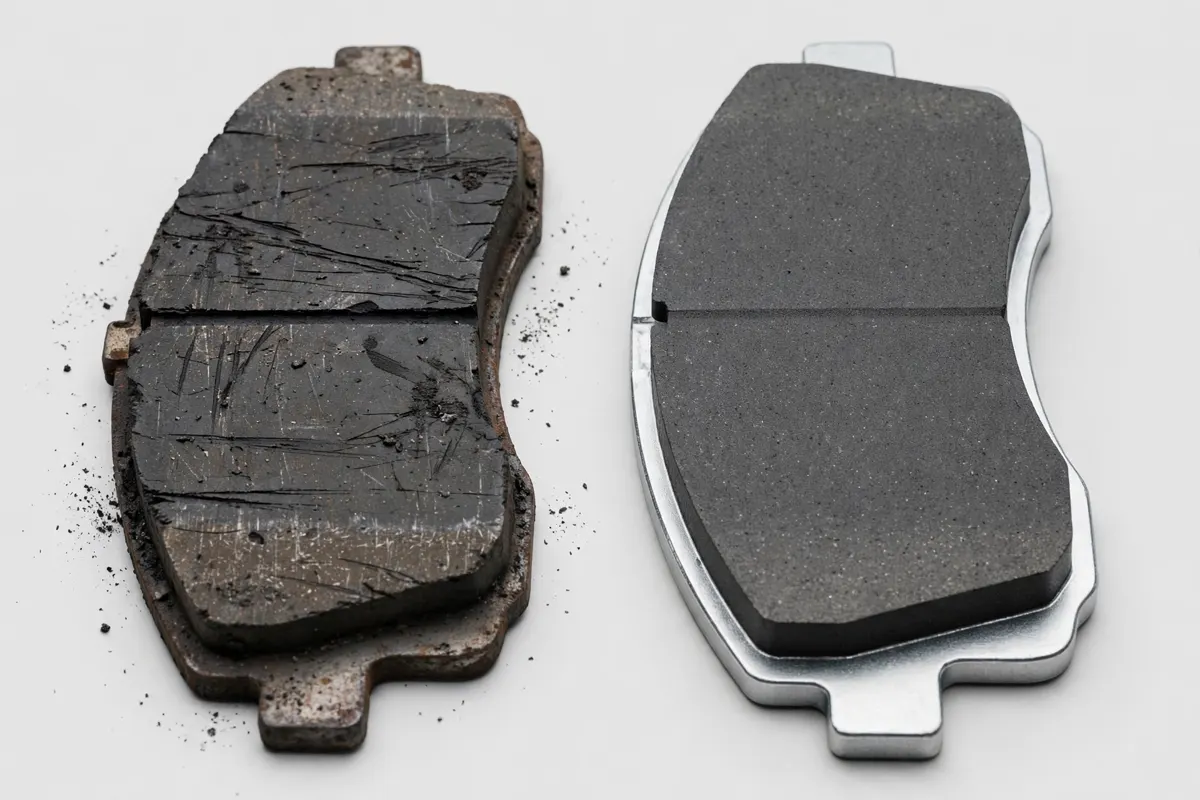
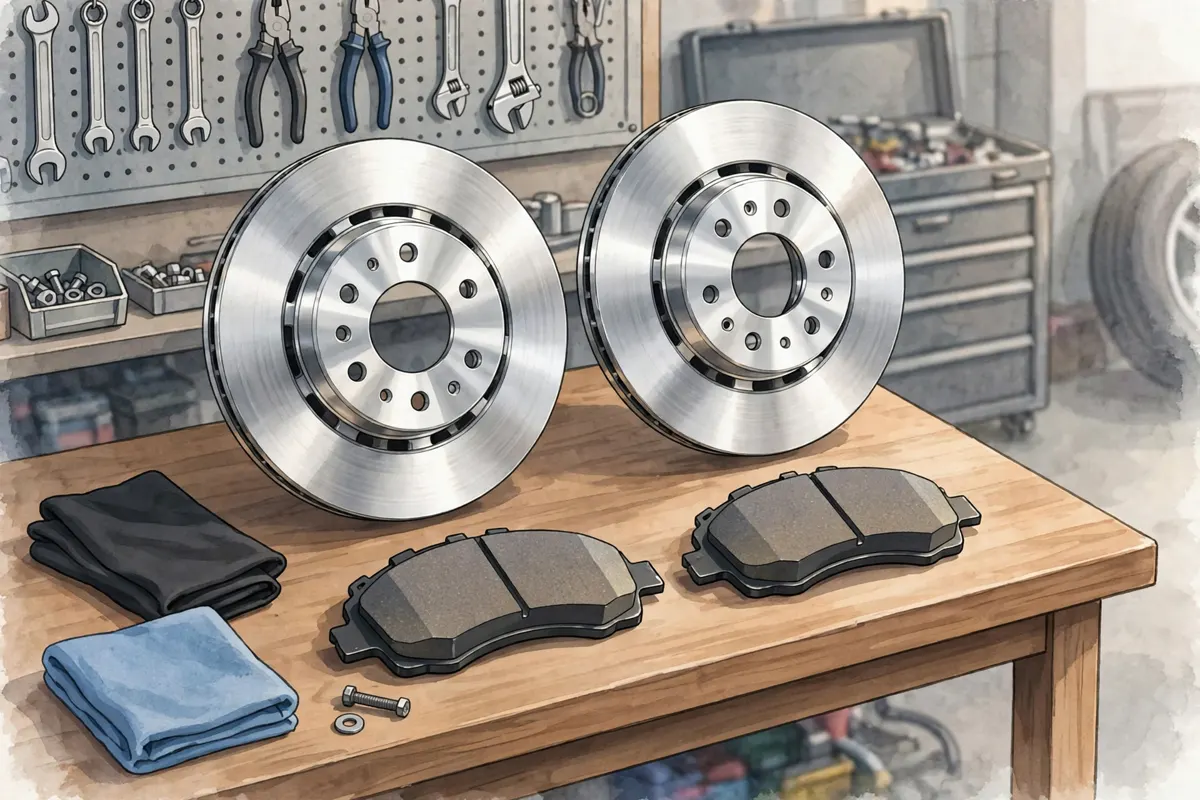
The clearest single example in the Synchrony study is front brake pads on a Toyota Camry: $144 at a West Virginia independent shop and $303 at a Washington, D.C. dealership. Same pads, same car, a 2.1-times price difference. On a $1,000 dealer quote, the same job at a good independent typically runs $600 to $800. On a $500 brake job, expect $300 to $400. On a $2,000 suspension overhaul, the saving can reach $600 to $800. But the study's own detail contains the warning: the gap is a median, not a guarantee. A cheap independent with padded hours or a no-name part can cost you more than a fair dealer, and a dealer that quotes honestly can beat an independent that quotes dishonestly. The rate and the parts are only two of the three numbers. The labour hours are the third, and they decide more quotes than either of the other two. Front brake pads on a 2019 Honda Civic take about 1.2 hours under the Mitchell 1 and Alldata book-time guides, and a shop that bills four hours for them is overcharging you at any rate.
The dealer wins in four situations, and they are worth naming because they are the ones where the saving is an illusion. First, warranty and recall work, which is free at the dealer and not covered anywhere else. Second, software updates, module programming, and electronic faults that need the automaker's own scan tools and service bulletins. Third, very new vehicles with complex driver-assistance systems, where the dealer's factory training and calibration equipment matter. Fourth, a repair where only the factory part fits correctly, which is rare but real on some European models. There is also a legal point that protects you either way: under the Magnuson-Moss Warranty Act, a manufacturer cannot void your warranty just because an independent shop serviced the car or a third-party part was used. It has to show the work or the part actually caused the failure. A dealer that tells you otherwise is selling, not informing.
The decision rule is therefore a split, not a loyalty oath. Under factory warranty, at the dealer, free. Recall, software update, or a fault that needs factory tools, at the dealer. Out of warranty, for brakes, alternators, suspension, exhaust, batteries, and routine maintenance, at a reputable independent with a written one-year parts-and-labour warranty. For any job over $500, get both quotes: the comparison costs one phone call, and the Synchrony study says it is worth about $232 on the average repair. And check the hours on both quotes against the book time, because the cheapest quote with padded hours is the most expensive quote you will ever approve. Before you call, run the job through the RepairPrice calculator at calculator.php so you know the typical range for your vehicle, and read "Mechanic Hourly Rate in the USA" and "Car Repair Labor Rates by State in the USA" to check the two numbers that decide whether either quote is honest.
Common questions:
Q: Is it cheaper to go to a dealership or an independent mechanic in the USA?
A: The independent is cheaper on out-of-warranty work. The Synchrony and Stephens study from early 2026 measured it directly: a median of 53 percent more at dealerships, about $232 more per repair on average. AAA puts dealer labour at 25 percent or more above independents, about $165 against $132, and NADA reports a $186 average dealer rate. On a $1,000 dealer quote, expect roughly $600 to $800 at a good independent.
Q: Will going to an independent mechanic void my warranty?
A: No. Under the Magnuson-Moss Warranty Act, a manufacturer cannot void a warranty just because an independent shop serviced the car or a third-party part was used. It has to show the work or the part actually caused the failure. Warranty and recall work itself is still free only at the dealer, so use the dealer for that and an independent for everything else once the car is out of warranty.
Q: When should I still use the dealership?
A: For warranty and recall work, which is free there; for software updates and module programming that need the automaker's own tools; for complex electronic faults on very new cars; and for repairs where only the factory part fits. In those cases the dealer's $186 average rate, reported by NADA, buys capability the independent does not have, and a misdiagnosis at the cheaper shop can cost more than the dealer premium.
Q: How much should a brake job cost at a dealer versus an independent?
A: The Synchrony study priced front brake pads on a Toyota Camry at $144 at a West Virginia independent shop and $303 at a Washington, D.C. dealership, a 2.1-times difference for the same pads on the same car. Pads plus rotors on a mainstream car rarely pass $600 to $900 at a dealer. If a dealer quotes $1,500 for pads alone, extra work was bundled in, and you should ask exactly what.
| Comparison | Dealership | Independent shop |
|---|---|---|
| Labor rate | ~$165–$186/hr average (AAA; NADA $186) | ~$120/hr median (ARI); $132/hr average (Tekmetric) |
| Parts | Factory parts only | Factory or quality aftermarket (20–40% less) |
| Warranty work | Free under factory warranty | Not covered by factory warranty |
| Price difference | Median 53% more, ~$232 more per repair (Synchrony/Stephens Q1 2026) | Baseline |
| Best for | Warranty, recalls, complex electrical, software updates | Routine maintenance, common repairs |
| Camry front brake pads | $303 (Washington, D.C.) | $144 (West Virginia) |
 RepairPrice
