
Buying a New Hybrid: What to Check Before You Sign
By Oleksandr Potapenko · 2026-11-16 · How we research prices

Walk into a Canadian dealership to buy a new hybrid in 2026 and the first thing you will notice is that the choice has already been made for you in one important way: the gasoline-only version of the car you want may no longer exist. The 2026 Toyota RAV4 went hybrid-only for the first time, with every new RAV4 a hybrid or a plug-in hybrid, and Honda sells the CR-V Hybrid only in higher Sport Hybrid and Touring Hybrid trims in Canada, with no base hybrid at all. The negotiation is no longer hybrid against gasoline. It is which hybrid, at which trim, with which warranty, and that changes what you should check before you sign. Consumer Reports' owner survey of roughly 380,000 vehicles found standard hybrids have about 15 percent fewer problems on average than gasoline-only cars, which is one reason the hybrid-first lineup is not a gamble.
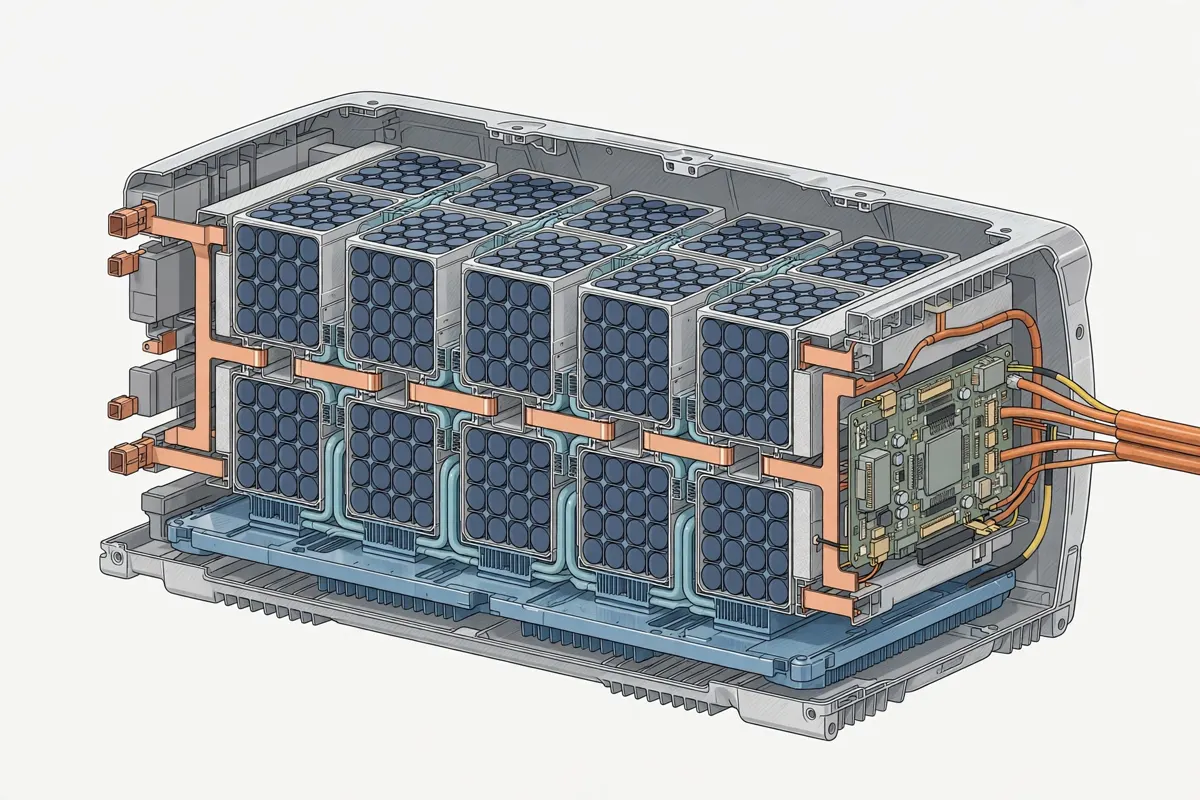
Start with the warranty, because it is the one thing that costs nothing to compare and thousands to get wrong. Toyota Canada covers the hybrid battery for 10 years or 240,000 kilometres on 2020 and newer models, the longest coverage in the segment, against a 3-year or 60,000-kilometre comprehensive warranty. Honda covers its hybrid components for 8 years or 160,000 kilometres with the same 3-year or 60,000-kilometre comprehensive warranty. Hyundai gives you the best comprehensive coverage of the three, 5 years or 100,000 kilometres, with hybrid and EV system coverage of 8 years or 160,000 kilometres. The differences matter most if you keep cars a decade: a Toyota bought in 2026 is still under battery warranty in 2036, while a Honda or Hyundai bought the same day is not. Ask the salesperson to show you the warranty booklet, not the brochure, and confirm the battery term in kilometres, because American figures quoted in miles, 10 years or 150,000 miles, are the same coverage expressed differently, and a dealer who quotes the American number without converting it is not necessarily wrong, just sloppy.
Then comes the money, and here you need to separate three numbers the dealer will happily blur together. The first is the manufacturer's suggested retail price. For 2026, Toyota Canada lists the RAV4 Hybrid from $37,500 for the LE all-wheel drive to $52,450 for the XSE Technology, before freight, pre-delivery inspection and fees, and Toyota's own estimated vehicle price adds $3,658 for those items. Honda Canada lists the CR-V Hybrid from $45,900 for the Sport Hybrid to $51,200 for the Touring Hybrid, before a $2,000 destination charge. Hyundai Canada lists the Tucson Hybrid from $42,799 for the new Night Edition. The second number is the out-the-door price with taxes, and in Canada that varies by province by thousands of dollars. The third number is the incentive, and this is where buyers get tripped up. Transport Canada's new Electric Vehicle Affordability Program, EVAP, pays up to $5,000 on an eligible new battery-electric vehicle and up to $2,500 on an eligible new plug-in hybrid for purchases from February 16, 2026, replacing the old iZEV program that closed in March 2025. A conventional hybrid, which cannot be plugged in, gets nothing from EVAP. Quebec's Roulez vert program still pays up to $2,000 on a new battery-electric vehicle in 2026 but ends December 31, 2026, and British Columbia's passenger-vehicle rebate has been paused since May 2025. If a salesperson tells you a conventional hybrid qualifies for a federal rebate, they are wrong, and you should check the price again with the RepairPrice calculator at calculator.php before you believe anything else they say.
The trim walk is the next trap. On the RAV4 Hybrid, the LE at $37,500 is the value buy, but the mid-grade XLE is where most buyers land, and the jump to the Limited at $52,000 buys leather and a bigger screen, not a better hybrid system. The hybrid powertrain is identical across trims, 236 horsepower and 5.5 to 6.2 litres per 100 kilometres combined, so paying $10,000 more does not buy you a more efficient car. On the CR-V Hybrid, the trap runs the other way: because Honda only sells the hybrid in Sport and Touring trims, the cheapest CR-V Hybrid costs about $8,400 more than the cheapest RAV4 Hybrid, and you are paying for equipment, not for the hybrid system. On the Tucson Hybrid, the Night Edition at $42,799 is the new entry point, and the five-year comprehensive warranty is the longest in this group, which is worth real money if you keep the car past year three. Read our head-to-head RAV4 Hybrid vs CR-V Hybrid vs Tucson Hybrid in Canada before you shortlist, and decide the trim on paper at home, not in the showroom.
Before you sign, run this five-minute check. Confirm the in-service date in writing, because the warranty clock starts then, not on the day you take delivery if the car sat on the lot. Confirm whether the price includes the federal EVAP amount, and only for a plug-in hybrid, since a conventional hybrid gets none. Ask for the freight, pre-delivery inspection, air conditioning charge and administration fee as separate lines, and refuse any administration fee above $500 in Ontario or above what your province's consumer protection rules allow. Check that the dealer has not added paint protection, fabric protection or a theft-deterrent etching package you did not ask for; those three add-ons are the most common source of surprise charges on Canadian new-car bills, according to the Automobile Protection Association. And get the trade-in value in writing before you discuss financing, because the two numbers are negotiated separately and a good trade-in can hide a bad interest rate.
The final rule is about timing, not haggling. The best time to buy a new hybrid in Canada is when the model year is changing and the dealer needs the outgoing cars gone, or at month end when sales targets close, and the worst time is the week a redesigned model launches. But no discount is worth a trim you do not want or a warranty you did not read. Buy the hybrid that fits your driving, at the trim that fits your budget, with the warranty terms in writing, and you will still be happy with the car in 2032, when the battery warranty is the only thing still protecting you.
Common questions:
What should I check before buying a new hybrid? Confirm the battery warranty in writing, 10 years or 240,000 kilometres for Toyota, 8 years or 160,000 kilometres for Honda and Hyundai, check the out-the-door price with freight and fees separated, and confirm whether any federal incentive applies. Only plug-in hybrids qualify for the federal EVAP rebate; conventional hybrids get none.
Do hybrids qualify for the federal EV rebate in Canada? Conventional hybrids do not. Transport Canada's Electric Vehicle Affordability Program pays up to $5,000 for a new battery-electric vehicle and up to $2,500 for a new plug-in hybrid, for purchases from February 16, 2026. The old iZEV program closed in March 2025. Quebec's Roulez vert pays up to $2,000 on a new battery-electric vehicle in 2026 and ends December 31, 2026.
Which hybrid SUV has the best warranty? Toyota, at 10 years or 240,000 kilometres on the hybrid battery. Hyundai has the best comprehensive warranty at 5 years or 100,000 kilometres, with hybrid system coverage of 8 years or 160,000 kilometres. Honda covers hybrid components for 8 years or 160,000 kilometres.
Is it better to buy a hybrid at year end? Usually yes. Dealers discount outgoing model-year stock and chase monthly and yearly sales targets, which is when the best prices appear. Avoid launch week for a redesigned model, when demand is highest and discounts are smallest.
| Brand | Hybrid battery warranty | Comprehensive warranty |
|---|---|---|
| Toyota | 10 years / 240,000 km | 3 years / 60,000 km |
| Honda | 8 years / 160,000 km (hybrid components) | 3 years / 60,000 km |
| Hyundai | 8 years / 160,000 km (hybrid / EV system) | 5 years / 100,000 km |

 RepairPrice
