
Bathtub Replacement Cost in Canada
By Oleksandr Potapenko · 2026-11-16 · How we research prices
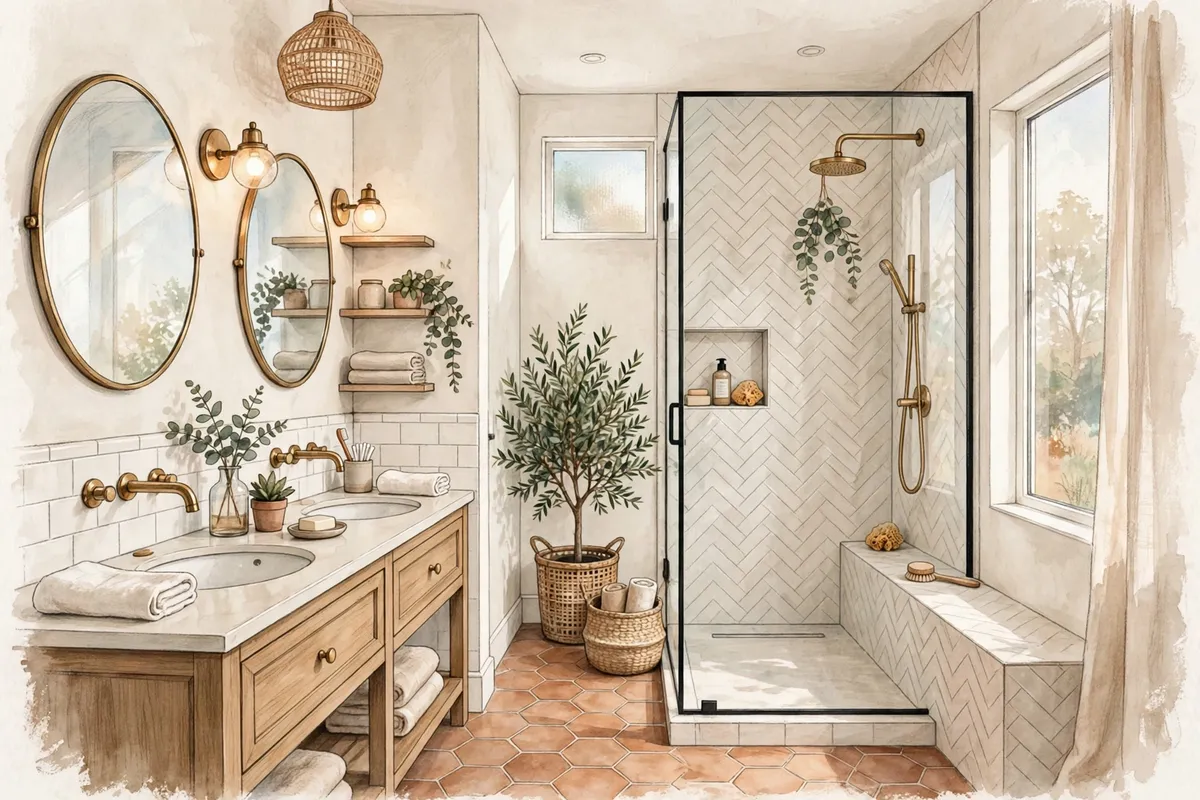
The tub is usually the cheapest part of a bathtub replacement, and that single fact explains why published prices for this job disagree so wildly. A $500 acrylic tub can become a $3,000 project after removal, labour, plumbing connections, wall repairs, and waterproofing, and a $3,000 cast iron tub can become a $9,000 project once tile, floor reinforcement, and access are counted. The job is not buying a tub. The job is everything around the tub.
Start with the disagreement, because it is the most useful thing in this guide. Angi, in its October 2026 guide based on 4,360 verified projects, puts the national average bathtub replacement at US$5,931, with most homeowners paying US$2,106 to US$9,758. HomeGuide puts the total at US$1,500 to US$8,000. This Old House puts its 2026 national average near US$2,100 including removal of the old tub. These are not three guesses at the same job. The This Old House figure is a basic swap average, a standard tub into the same opening with limited wall work. The Angi figure includes the tile surrounds, plumbing changes, and floor work that most real replacements actually need. Converted at the 1.40 rate used in this guide, Angi's range becomes roughly $2,900 to $13,700 Canadian with an average near $8,300, while the This Old House average becomes roughly $2,900 Canadian. There is no official Canadian bathtub price series, so the Canadian ranges in the table below are estimates built from these named American guides converted at 1.40, and they sit closer to the HomeGuide band than to the Angi average because most Canadian alcove swaps are straightforward jobs.
By type, the spread is wide. Angi lists soaking tubs at US$600 to US$13,000, with an average near US$6,800, and freestanding tubs averaging about US$2,500 for the unit, with total projects running far higher once floor plumbing is added. HomeGuide breaks it down as a standard alcove replacement at US$1,500 to US$2,000, a tub and shower combination at US$2,000 to US$4,500, freestanding or clawfoot at US$2,200 to US$5,000, and whirlpool or jetted tubs at US$3,000 to US$8,000. HomeGuide's material prices for the tub alone are fiberglass US$300 to US$1,000, acrylic US$300 to US$1,200, enameled steel US$300 to US$1,500, and cast iron US$600 to US$3,000. The line items explain the rest: removal and disposal commonly US$150 to US$750, more for heavy cast iron; a new surround or tile US$500 to US$2,000 or more; and moving a drain even a few feet adds US$1,000 to US$2,500 in plumbing labour. A standard 60-inch alcove tub swaps into the existing opening with minimal tile work. A larger tub, a corner tub, or a tub in a tiled surround needs more demolition and tile repair, and in condos and upper-floor bathrooms, getting an old cast iron tub out and a new one in can be a logistical project of its own, including hallway protection and elevator booking.
The question everyone asks is whether the tile has to come off, and the answer is almost always yes, at least in part. An alcove tub's flange sits behind the wall finish, so the installer usually cuts out the bottom rows of tile or the surround, disconnects the drain and overflow, and pulls the tub out. The new tub then needs new tile or panels where the old ones were cut. A new tub surround runs about US$1,100 to US$2,100 installed according to This Old House, and full floor-to-ceiling tile on all three alcove walls can add US$2,000 to US$4,000. If the existing tile surround is in good shape, keeping it can save real money, but do not assume the tile can remain untouched until the installer inspects the assembly.
Before you replace, price the two alternatives, because both are dramatically cheaper when they fit. Refinishing, also called reglazing, costs US$450 to US$1,200 and suits a tub that is structurally sound but ugly, stained, or chipped. The catch is that a refinished surface is thinner than factory enamel and needs gentler care, and it does nothing for a tub that is cracked through or leaking. A tub liner, fitted over the old tub, runs US$1,500 to US$3,500 in the source data, and one-day liner systems with walls run US$5,000 to US$16,000. A liner installs in a day with no demolition, but it can trap moisture underneath if the old tub leaks, and it reduces interior dimensions slightly. The rule of thumb from the cost guides is simple: if the tub is sound and only the surface is worn, price refinishing first. If it is cracked through, leaking, or sagging, plan on replacement and budget for the area around it.
Confirm what the quote covers before you sign: the tub, the drain and overflow assembly, the faucet and shower trim, tile and surround repair, caulking, and disposal of the old tub. Cast iron deserves a special note: an old cast iron tub weighs 300 to 500 pounds, holds heat beautifully, and lasts generations, but it cannot go in a regular trash bin and it needs floor support and help to move. A filled soaking tub can pass 1,000 pounds, so confirm the floor can carry it. Test the new tub before final payment: fill it, check the drain speed, run the shower, and look for leaks at the access panel and from below. If the tub is part of a bigger bathroom project, read Bathroom Renovation Cost in Canada and Walk-In Shower and Tub-to-Shower Conversion Cost in Canada first, and compare the tub-only price against the whole room in the RepairPrice home calculator (home-calculator.php). A tub swap inside a renovation you were doing anyway costs far less than a tub swap as a standalone job, because the tile and plumbing work is already being paid for.
Common questions:
How much does it cost to replace a bathtub in Canada? A standard alcove tub replacement typically runs $2,500 to $6,000 Canadian installed, with freestanding soaker tubs at $4,000 to $9,000. Angi puts the American average at US$5,931, roughly $8,300 Canadian at the 1.40 rate, with most projects at US$2,106 to US$9,758.
Can you replace a bathtub without removing the tile? Usually not for an alcove tub, because its flange sits behind the wall finish. The installer normally removes at least the lower rows of tile. A tub liner or a one-day liner system is the main way to update a tub without disturbing the walls.
Is it cheaper to refinish or replace a bathtub? Refinishing is far cheaper, about $500 to $1,200, against $2,500 to $6,000 or more for replacement. It only fits a tub that is structurally sound. A cracked, leaking, or sagging tub needs replacement.
How long does a bathtub replacement take? Demolition and removal take 3 to 6 hours, and a straightforward swap can finish in a day or two. Tile work, if needed, adds 1 to 4 days, and moving plumbing or repairing a rotted subfloor extends the job further.
| Option | Typical range (CAD) | Notes |
|---|---|---|
| Standard alcove tub, replaced | $2,500–$6,000 | Tub, plumbing, surround repair |
| Freestanding soaker tub | $4,000–$9,000 | Floor plumbing, heavier tub |
| Cast iron tub | $4,500–$9,000 | Heat retention, heavy to move |
| Refinishing / reglazing | $500–$1,200 | Cosmetic only, gentler care |
| Tub liner over old tub | $1,500–$3,500 | One-day install, moisture risk |

 RepairPrice
