
Basement Waterproofing Cost in Canada
By Oleksandr Potapenko · 2026-11-16 · How we research prices
Basement waterproofing is the rare renovation where the cheap option and the right option are usually different jobs, and the price gap between them is the whole story. Angi's 2026 data, from 5,780 verified projects, puts the national average at 5,247 US dollars, with most homeowners paying 2,461 to 8,207 dollars, and the work at 3 to 10 dollars per square foot. The split that matters is inside versus outside: Angi reports interior work averaging about 3,000 dollars and exterior work about 7,000 dollars, while HomeGuide prices a full exterior job with excavation at 10,000 to 18,000 dollars, and a full interior drainage system at 4,000 to 17,000 dollars. The sources disagree because exterior work means digging, and digging means your soil, your depth, your deck and your driveway, none of which a national average can see.
A note on the numbers: Canada has no single national price series for this work, so the Canadian ranges below are estimates. They start from verified US figures published by HomeAdvisor, Angi, HomeGuide and Fixr, converted at about 1.40 Canadian dollars per US dollar, and are cross-checked against Canadian contractor listings and provincial program figures where those exist.
Converted at about 1.40, a typical Canadian interior system lands at roughly 5,000 to 12,000 dollars, an exterior membrane and weeping tile job at 12,000 to 25,000 dollars and up, a single crack injection at 500 to 1,200 dollars, and a sump pump with battery backup at 1,500 to 3,000 dollars. The first question is always where the water comes from, because the method follows the source. Water seeping through a crack in a poured wall is a crack problem, and an injection usually fixes it. Water coming up through the floor joint or through the wall in a dozen places is a hydrostatic pressure problem, and no amount of paint will fix it: it needs a drain, inside or outside, that gives the water somewhere to go. Water pooling against the foundation from the outside is a grading and downspout problem first, and our guide "Spring Home Maintenance Checklist and Costs in Canada" covers the grading fixes that cost hundreds instead of thousands.
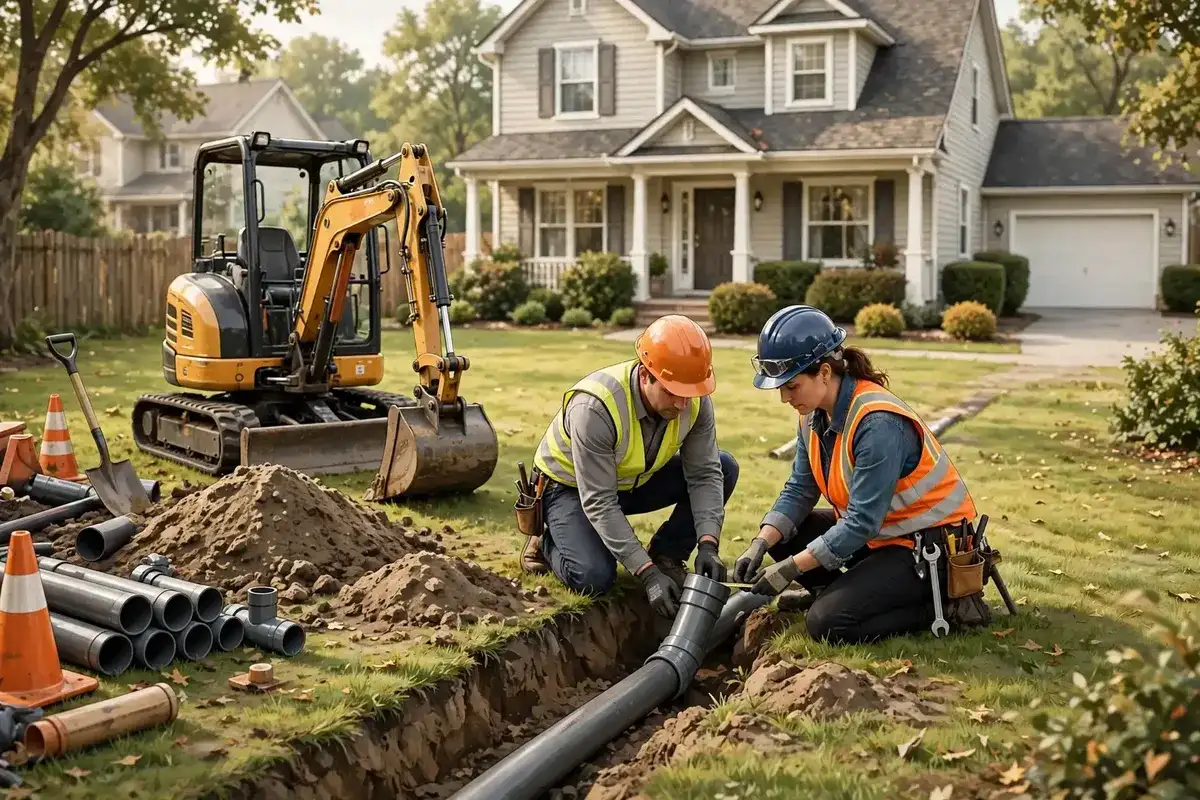
Interior systems manage water after it enters. A perimeter drain channel is cut into the floor slab, connected to a sump pit and pump, and the pump sends the water outside. It is the most common fix for existing homes because it needs no excavation, it works in any season, and it can be installed in a week. Its weakness is honest and worth naming: the water still enters the wall, and the system depends on a pump, a power supply and a discharge line that must not freeze. That is why the battery backup matters, and why a pump with no backup is a flood waiting for a power outage. Exterior systems stop water at the wall: the foundation is excavated to the footing, a rubberized membrane and new weeping tile are installed, and the soil is backfilled. It is the better system and the more expensive one, and it is usually the right choice during new construction or when the yard is already torn up for other work.
The scams in this trade are specific and easy to spot. A contractor who diagnoses the whole basement from the driveway, without a moisture meter or a look at the floor joint, is selling a product, not a solution. A quote for interior paint or a sealant as a fix for active water entry is a waste of money: sealers work for dampness and condensation, not for water under pressure. A lifetime warranty that is not transferable, or that excludes the pump, is worth less than the paper it is printed on. Get the diagnosis in writing, with the water source named, and get two quotes from companies that propose different methods, so you can compare a system against a system rather than a price against a price. And fix the cheap things first: extend the downspouts six feet from the house, regrade the soil so it slopes away, and clean the gutters, because a surprising number of wet basements are really a downspout problem. Price the real job with the RepairPrice home calculator (home-calculator.php) and read "Foundation Crack Repair Cost in Canada" before you pay for a full system to fix a single crack.
Common questions:
How much does basement waterproofing cost in Canada? A typical interior drain and sump system runs about 5,000 to 12,000 Canadian dollars, and an exterior membrane with excavation runs 12,000 to 25,000 dollars and up, converted from Angi and HomeGuide US figures at about 1.40.
Is interior or exterior waterproofing better? Exterior is better because it stops water at the wall, but it costs two to three times as much and needs excavation. Interior is the most common fix for existing homes because it needs no digging and can be installed in a week.
Does waterproof paint stop a leaking basement? No. Sealers work for dampness and condensation, not for water entering under hydrostatic pressure. Active leaks need a drain, inside or outside, that gives the water somewhere to go.
Do I need a sump pump battery backup? Yes. An interior system depends on the pump, and a pump with no backup is a flood waiting for a power outage. A pump with battery backup runs about 1,500 to 3,000 Canadian dollars installed.
| System | Typical range (CAD) | Notes |
|---|---|---|
| Interior drain + sump pump | $5,000–$12,000 | Manages water after entry |
| Exterior membrane + weeping tile | $12,000–$25,000+ | Stops water at the wall |
| Single crack injection | $500–$1,200 | One crack, interior access |
| Sump pump with battery backup | $1,500–$3,000 | Essential for storm outages |
| Window well drain | $500–$1,500 | Per well, prevents pooling |

 RepairPrice
