
Attic Insulation Cost in Canada
By Oleksandr Potapenko · 2026-11-16 · How we research prices
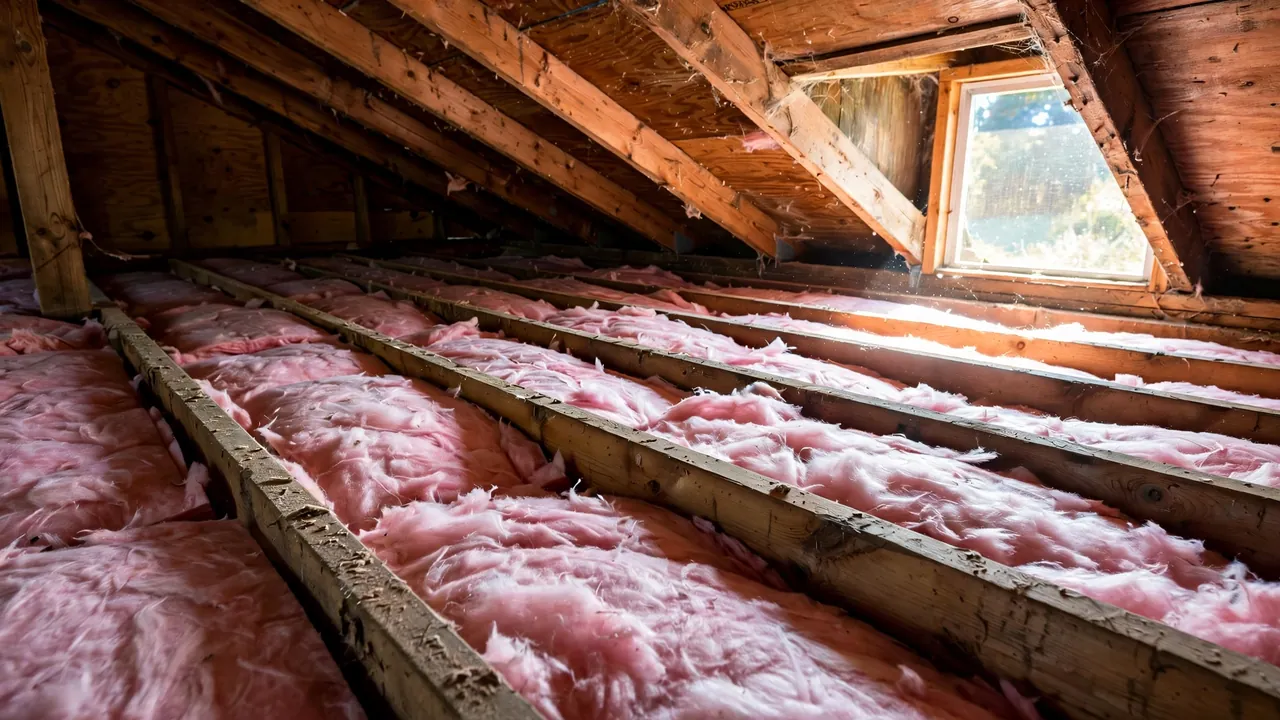
If you can only afford one energy upgrade, make it the attic. Warm air rises, so the ceiling is where most of a Canadian house's heat escapes, and the attic is the cheapest place in the house to add insulation, because it is open, accessible and does not need demolition. HomeAdvisor's June 2026 data puts most attic jobs at 1,700 to 2,500 US dollars, with an average of 2,100 dollars and a per-square-foot range of 1 to 3 dollars. HomeGuide's January 2026 guide prices the same work at 1,000 to 2,700 dollars for a typical attic, with blown-in insulation at 0.90 to 2.40 dollars per square foot and spray foam at 1.50 to 5.00 dollars. The two sources agree on the order: blown-in fibreglass or cellulose is the cheapest way to add R-value, batts sit in the middle, and spray foam costs three times as much or more for the same attic, and earns that price mainly when ducts or an air handler live up there.
A note on the numbers: Canada has no single national price series for this work, so the Canadian ranges below are estimates. They start from verified US figures published by HomeAdvisor, Angi, HomeGuide and Fixr, converted at about 1.40 Canadian dollars per US dollar, and are cross-checked against Canadian contractor listings and provincial program figures where those exist.
Converted at about 1.40, a typical Canadian attic top-up lands at roughly 2,400 to 3,500 dollars, blown-in at 1.25 to 3.40 dollars per square foot, and spray foam on the roof deck at 2,100 to 7,000 dollars and up. The number that decides the job is the R-value, and ENERGY STAR's recommendation is the one to use: R-30 to R-60 for attics depending on climate zone, with the cold Canadian zones at the top of that range, R-49 to R-60, which means roughly 14 to 17 inches of blown fibreglass or 13 to 16 inches of cellulose once settled. The National Building Code and Natural Resources Canada point in the same direction for cold climates. Measure what you have before you call anyone: push a ruler into the insulation in several places, note the depth, and compare it with the coverage chart on the bag, because the depth you can see is the only number that matters, and most Canadian attics built before 1990 are sitting at R-20 or less, half of what they should be.
Air sealing comes before insulation, and this is the rule that separates a good job from a wasted one. Insulation slows heat moving through materials; it does almost nothing against air moving through gaps, and burying a leak under new insulation just hides it. The leaks to seal are the attic hatch, the plumbing and wiring penetrations, the recessed lights and the chimney chase, and the work costs 250 to 750 dollars in most houses. Ventilation is the second detail that gets skipped: the attic needs air moving from the soffits to the ridge so the roof deck stays cold and dry, and burying the soffit vents under new insulation is how a well-insulated attic grows mold. Baffles, the cheap foam or cardboard channels that keep the vents open, cost 2 to 3 dollars each and should be installed before the blower truck arrives. Our guide "Weatherstripping and Draftproofing Cost in Canada" prices the sealing work, and "Home Energy Audit Cost in Canada (EnerGuide)" explains the blower-door test that finds the leaks.
Removal is the cost nobody budgets for. If the old insulation is wet, contaminated or vermiculite, it has to come out first, and HomeAdvisor prices removal at 1 to 2 dollars per square foot, or 600 to 1,200 dollars for a typical attic, with asbestos and mold adding 1,190 to 3,255 dollars and 1,225 to 3,750 dollars respectively. Vermiculite is the expensive surprise: the US Environmental Protection Agency says to assume it contains asbestos and leave it undisturbed until a professional handles it, and our guide "Vermiculite Insulation Removal Cost in Canada" prices that job. The decision rule is to top up when the insulation is dry, clean and simply thin; to remove and replace when it is wet, compressed, contaminated or vermiculite; and to spray foam only when the attic holds ducts or an air handler, or when the roof deck itself needs sealing. Price the options with the RepairPrice home calculator (home-calculator.php) and check the current provincial rebate rules before you book, because several provinces rebate attic insulation through their home-efficiency programs, and most of them require a pre-retrofit EnerGuide evaluation first.
Common questions:
How much does attic insulation cost in Canada? A typical top-up runs about 2,400 to 3,500 Canadian dollars, converted from HomeAdvisor's 1,700 to 2,500 US dollars at about 1.40. Blown-in runs 1.25 to 3.40 dollars per square foot, and spray foam on the roof deck runs much more.
What R-value should my attic have in Canada? ENERGY STAR recommends R-30 to R-60 depending on climate zone, with cold Canadian zones at R-49 to R-60. That means roughly 14 to 17 inches of blown fibreglass or 13 to 16 inches of cellulose once settled.
Should I air seal before insulating the attic? Yes, always. Insulation does almost nothing against air moving through gaps, and burying a leak under new insulation only hides it. Seal the hatch, the penetrations and the chimney chase first.
Can I add insulation over old insulation? Yes, if the old insulation is dry, clean and not vermiculite. If it is wet, contaminated or vermiculite, it has to be removed first by a professional.
| Job | Typical range (CAD) | Notes |
|---|---|---|
| Blown-in top-up, typical attic | $2,400–$3,500 | To R-49 to R-60 |
| Blown-in, per sq ft | $1.25–$3.40 | Fibreglass or cellulose |
| Batt insulation, per sq ft | $2.80–$5.60 | Labour intensive in low attics |
| Spray foam, roof deck | $2,100–$7,000+ | Only when ducts live up there |
| Attic air sealing | $350–$1,050 | Do this before insulating |
| Old insulation removal | $840–$1,700 | Per typical attic |




 RepairPrice
