
Brake Caliper Replacement Cost in Canada
By Oleksandr Potapenko · 2026-11-16 · How we research prices
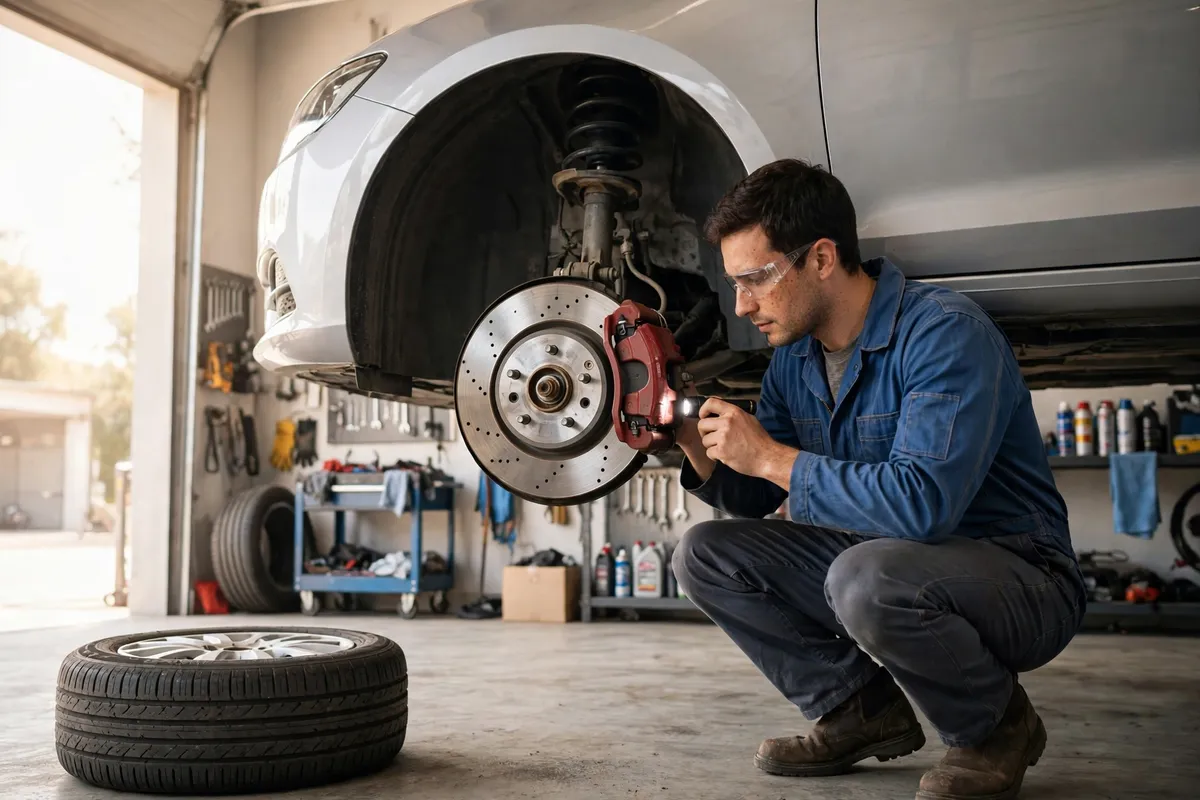
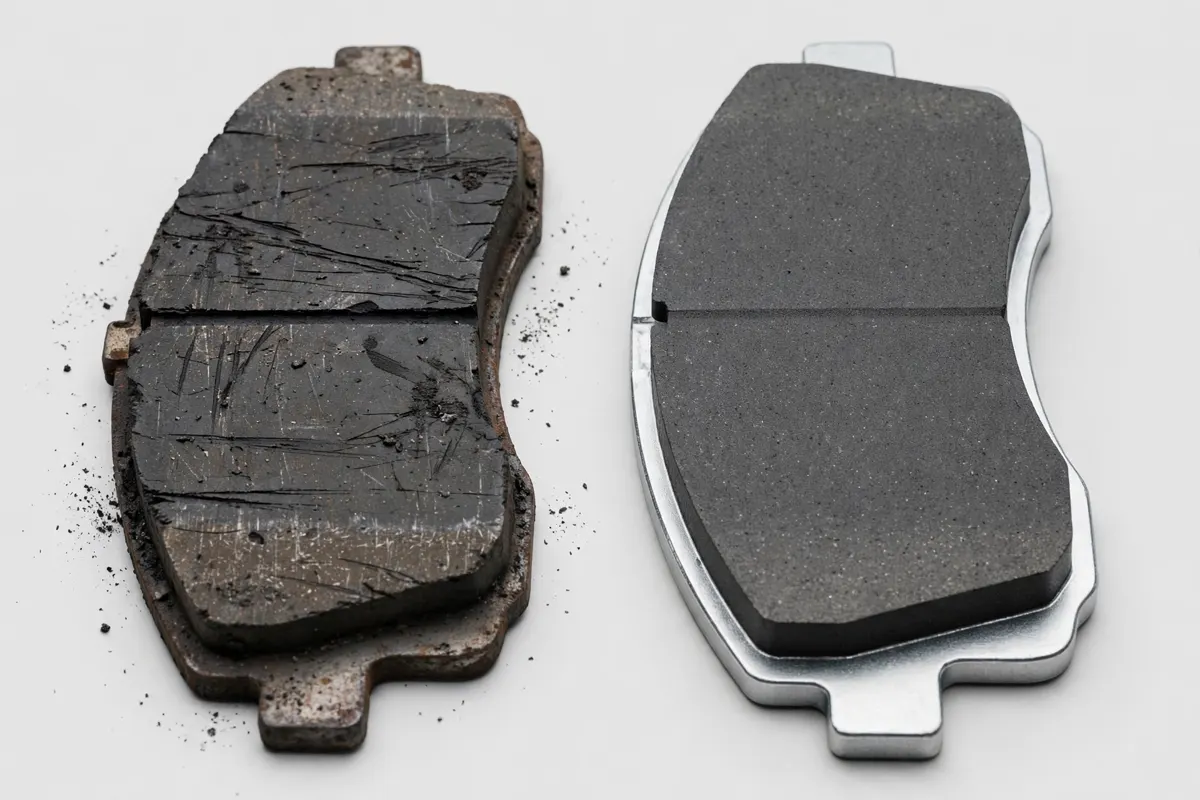
The call usually comes in February. The car pulls to one side when you brake, or one wheel smells hot after a drive, or a pad on one corner is worn to the metal while its partner looks nearly new. That is a seized caliper, and in Canada it is less a question of if than of when. Road salt gets past the slide-pin boots, the grease turns to paste, and the caliper stops sliding or the piston stops retracting. One pad drags, cooks itself, and takes the rotor with it. The repair is not exotic, but the price depends on a decision most drivers never hear about: new, remanufactured, or rebuilt.
For a single caliper on a typical car, expect roughly $235 to $435 at an independent shop in Canada, based on parts of $120 to $280 plus about 1.2 hours of labour at $95 to $130 an hour. An SUV or truck runs about 15 percent higher, and a luxury or European model about 35 percent higher, because the parts cost more and the labour rate is higher. Those ranges are consistent with what Canadian shops publish: Tower Service Station in Ontario lists caliper replacement at $150 to $400 per caliper, Urban Lube in Calgary publishes $300 to $500, and a survey of advertised Canadian prices by Preferred Mechanic puts the spread at $150 to $500. The spread is wide because the part itself is the variable. A remanufactured caliper, the original casting rebuilt with new seals, pistons and hardware and pressure-tested, is the common middle ground in Canada: it costs less than new, it is rebuilt to specification, and it usually carries a warranty. A new original-equipment caliper can cost two or three times as much, and on some European cars the part alone passes $500. Always ask which one the quote is for. A $250 quote for a remanufactured caliper and a $450 quote for a new one are both fair; a $450 quote for a remanufactured caliper deserves a question.
The American numbers show the same gap from the other side, and they are worth knowing because they explain why one national average looks absurd. RepairPal's national average for a caliper replacement in the United States is $898 to $968, with about $749 of that in parts. That is not a typo; RepairPal prices new original-equipment-grade parts. But independent American shops doing the same job with a remanufactured caliper charge $250 to $450 per corner, and RepairPal's own model pages back that up, showing $470 to $539 for a Ford F-150 and $515 to $583 for a 2018 Toyota Camry. The lesson is not that one source is wrong. It is that the part tier is the price. In Canada, where the aftermarket and remanufactured supply is deep, the independent-shop range is the number that matters for most drivers, and the dealer or original-equipment number is the ceiling.
Two other costs hide inside a caliper job, and a good quote lists them. First, the pads on that axle. A seized caliper cooks the pads, so the pads on the affected axle usually need replacing too, which adds parts and a little labour. Second, the bleed. Any caliper replacement opens the hydraulic system, so the system has to be bled afterwards, and if the fluid is old or contaminated, a full flush is the right call at the same time. Brake Fluid Flush Cost in Canada puts that at $100 to $155 for a car, and it is cheap insurance when the system is already open. Ask whether the quote includes the bleed and the fluid, and whether the slide pins are cleaned and greased or replaced. On many Canadian cars, the caliper itself is fine and only the slide pins are seized; a slide-pin service, cleaning and re-greasing the pins, runs $90 to $250 and can save the caliper entirely. Ask for that check first, before anyone orders a part.
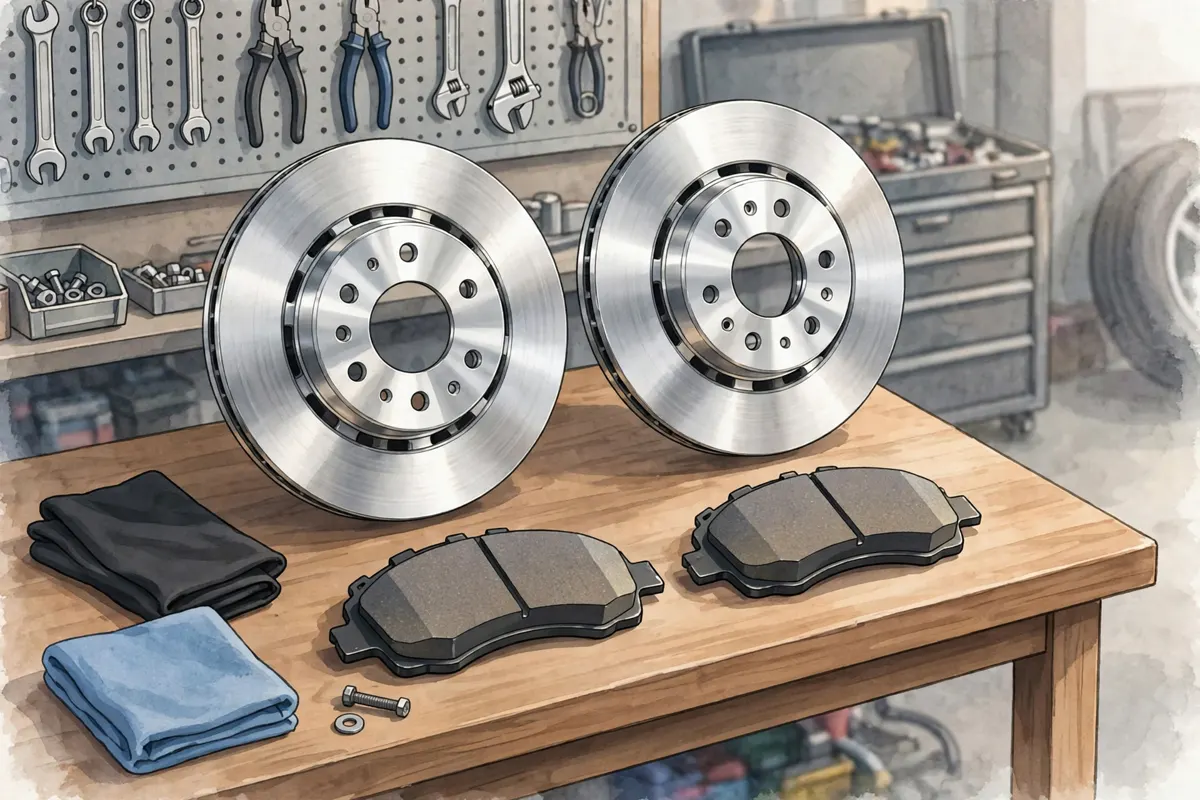
Should you replace both calipers on the axle? Shops usually recommend it when both sides are corroded, so braking stays even, and the advice is sound when the car is older or the other side shows the same salt damage. But it is not a rule. If the other caliper slides freely, the pins are clean, and the pads wear evenly, replacing one side is fine. What does matter is that the work is done in pairs where it counts: pads are always replaced per axle, both sides together, and the rotors on that axle should be measured, because a dragging caliper can score or overheat a rotor beyond saving. Brake Pad Replacement Cost in Canada and Brake Rotor Replacement Cost in the USA (for the American price picture) give the numbers for the parts that usually join the bill.
The winter angle is the real story of this repair in Canada. The caliper is a hydraulic clamp that lives inches from the road, and in a Canadian winter it lives in salt spray for five months a year. The slide pins are the weak point: they move on greased pins so the caliper can centre over the rotor, and salt water finds the boots. Once the grease turns to paste, the caliper cannot release, one pad grinds itself away while its partner barely wears, and that wheel runs hot. The early signs are subtle, which is why the repair so often arrives as a surprise: a faint pull to one side, a wheel that is warmer than the others after a drive, a pad wearing unevenly, or a grinding noise from one corner only. Catch it at the pull stage and you replace a caliper. Catch it at the grinding stage and you replace a caliper, pads, and a rotor. The difference is a few hundred dollars and one inspection.
The decision rule: if one corner drags, pulls, or wears unevenly, get it inspected within days, not weeks. Ask whether the quote is for a new, remanufactured, or rebuilt caliper, ask for the slide-pin check before a part is ordered, and ask whether the pads and the bleed are included. If both calipers on the axle show the same corrosion, do the pair; if only one is bad, do one. And if you plan to keep the car through several more Canadian winters, ask about a caliper with a warranty that covers the part for at least a year, and wash the undercarriage after salty weeks. If you want a price for your own car before you call around, the RepairPrice calculator (calculator.php) gives a fair range for your vehicle and city.
Common questions:
Q: How much does it cost to replace a brake caliper in Canada? A: Roughly $235 to $435 for one caliper on a typical car at an independent shop, $270 to $500 for an SUV or truck, and $315 to $590 for a luxury or European model. The price depends mainly on whether the caliper is new or remanufactured.
Q: Can I drive with a seized brake caliper? A: Not for long. A seized caliper drags one pad, overheats that corner, wears the pad to the metal, and can damage the rotor and boil the brake fluid. It also pulls the car to one side when braking. Have it inspected within days.
Q: Should I replace both brake calipers at the same time? A: Usually yes if both sides show the same corrosion, so braking stays even. If the other caliper slides freely and the pads wear evenly, replacing one side is fine. Pads, however, are always replaced per axle, both sides together.
Q: What is the difference between a new and a remanufactured caliper? A: A new caliper is a fresh part; a remanufactured caliper is the original casting rebuilt with new seals, pistons and hardware, then pressure-tested. Remanufactured is the common middle ground in Canada, costs less, and usually carries a warranty.
| Job | Typical range, independent shop | What moves the price |
|---|---|---|
| One caliper, car | $235–$435 | New vs remanufactured caliper |
| One caliper, SUV/truck | $270–$500 | Larger brakes, AWD models |
| One caliper, luxury/European | $315–$590 | Pricier parts, higher labour rate |
| Both calipers, one axle | Roughly double the parts | Labour overlaps, so less than double total |
| Plus pads on that axle | Adds parts + a little labour | Seized calipers often cook the pads |
 RepairPrice
